Your first padel session: what to bring, what to expect and 10 tips from the first hour
By the Lobwell Padel team. Updated 1 November 2026.
Short answer: For your first padel session, bring grippy trainers, sportswear, water and a friend or three: most venues hire rackets for a few pounds and sell balls at reception. Expect to rally within 15 minutes. The tips that help most are to keep your swing short, let the ball come off the back glass instead of chasing it, lob when in doubt and stay level with your partner.

Before you go
Book a court for 60 or 90 minutes. An hour is enough to learn the basics without your legs giving up, and 90 minutes gives time for a short game at the end. If none of your group has played, look for a beginner session or a taster with a coach: many UK venues run them in the early evening or at weekends, and the coach handles the rules so you can focus on hitting.
Court prices vary a lot by time and region. From our survey of 79 venue price lists, the UK median is £28 per court per hour off-peak and £40 at peak, so roughly £7 to £10 each for four players. Off-peak weekday slots are the cheapest way to start. See the padel court cost guide and the court finder for local options.
What to bring
If you are borrowing a friend's racket, check the wrist cord is intact. You must wear it, and it stops a racket flying into the glass or into someone.
- Trainers with a flat, grippy sole. Not running shoes, which slide on the sand.
- Comfortable sportswear you can lunge in, plus a layer if the court is outdoors.
- A water bottle. Padel is more work than it looks.
- Cash or card for racket hire and balls, unless they are included.
- A hair tie, a towel and plasters if you get blisters easily.

What happens in the first hour
The first ten minutes usually feel odd. The ball comes back off walls you did not know you were allowed to use, the racket feels short and heavy, and you swing too hard. By minute twenty you will be keeping short rallies going. By the end of the hour most groups are playing points.
A typical first session with a coach goes: a gentle warm up, forehands and backhands from the middle of the court, volleys at the net, a first look at balls off the back glass, the underarm serve and then a few games. Without a coach, follow a similar order and do not rush into scoring.
- 1Minutes 0 to 10
Warm up, then gentle forehands and backhands from the service line.
- 2Minutes 10 to 25
Volleys at the net: short punch, no backswing.
- 3Minutes 25 to 40
Let balls pass to the back glass, then turn and play the rebound.
- 4Minutes 40 to 50
Practise the underarm serve from both sides.
- 5Minutes 50 to 60
Play a few games with golden point at deuce to keep things moving.
Ten tips that help straight away
- Shorten your swing. Padel rackets are short and solid; a tennis sized backswing sends the ball into the back fence.
- Hold the racket with a continental, or chopper, grip. It works for forehands, backhands, volleys and serves.
- Let it come off the glass. If a deep ball is going to hit the back wall, turn sideways, wait and hit the rebound.
- Do not stand on the service line. It is a no man's land: either be at the net or back near the glass.
- Move with your partner. Keep level, about the width of a car apart.
- When in doubt, lob. A high, deep ball over the net players gives you time to get forward.
- Aim for the middle. Shots between the two opponents cause hesitation and are hard to angle back.
- Keep the ball low at the net. Volley at feet, not at faces.
- Watch the ball onto the glass. Its angle off the wall is more predictable than you think.
- Say "mine" or "yours". Most beginner points are lost to two rackets going for one ball, or none.

Hire racket or your own?
Hire rackets are fine for your first three or four sessions. After that, most players want their own, partly for hygiene and partly because hire rackets are often heavy, chipped and very hard, which makes the ball harder to control. A first racket should be round, soft cored and 340 to 365 g. That spec forgives off centre hits and helps your lobs reach the back of the court.
Our beginner padel rackets are built to that spec, and the best padel rackets for beginners page explains the choice in more detail.
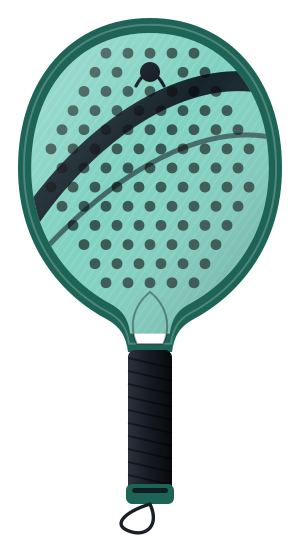
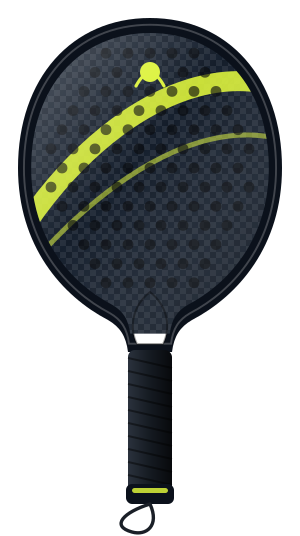
Lobwell Tor
Round 3K carbon racket for your first year and well beyond it
- Round
- 3K carbon
- 355 to 365 g
After the session
Stretch gently and drink water: lunges and quick stops work muscles you may not use in the gym. Most beginners feel it in the calves and thighs the next day. If you enjoyed it, book the next one for the same week while the feel is fresh, and read how to play padel for the next layer of rules and positioning. Two sessions a week for the first month gets most people from "I can rally" to "I can play a proper game".
The three most common first day mistakes
Standing too close to the back glass is the first. Beginners hug the wall, then get cramped when the ball comes off it. Stand about a metre and a half in front, so the rebound comes to you. The second is hitting the serve too hard. A padel serve is about placement and getting to the net, not pace. The third is going for winners. Padel points are won by the pair who makes the last mistake, so keep the ball in, deep and to the middle, and let your opponents try the clever shots.
Questions people ask
Can you hire padel rackets?
Most UK venues hire rackets at reception, usually for a few pounds a session. Some include them in the court price for beginner sessions.
Do I need lessons to start padel?
No, but one taster session with a coach speeds things up. Many players learn by playing with friends and watching others.
How fit do you need to be for padel?
You do not need to be fit to start. The court is small and the ball is slow enough to rally quickly, though you will feel it in your legs the next day.
Is it OK to play padel with three people?
You can practise with three by rotating one player out, but courts are built for doubles. Many venues offer open matches to fill a fourth spot.
Sources
Keep reading
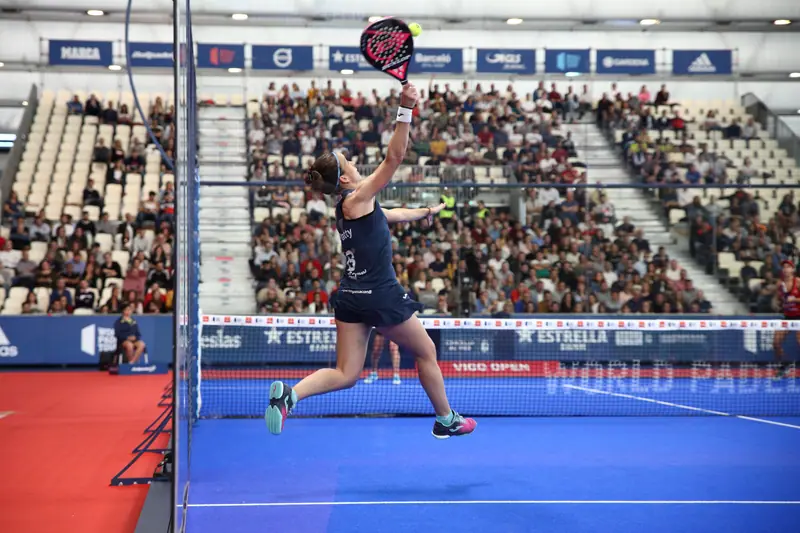 GuideHow to play padel: the serve, the walls and the first ralliesTo play padel, two pairs face each other on a 10 by 20 metre walled court.
 GuideWhat to wear for padel: outfits for indoor courts, cold outdoor courts and club nightsWear breathable sportswear you can lunge and reach in: a technical t-shirt or polo, shorts, a skort or leggings, cushioned sports socks and court shoes with a herringbone sole.
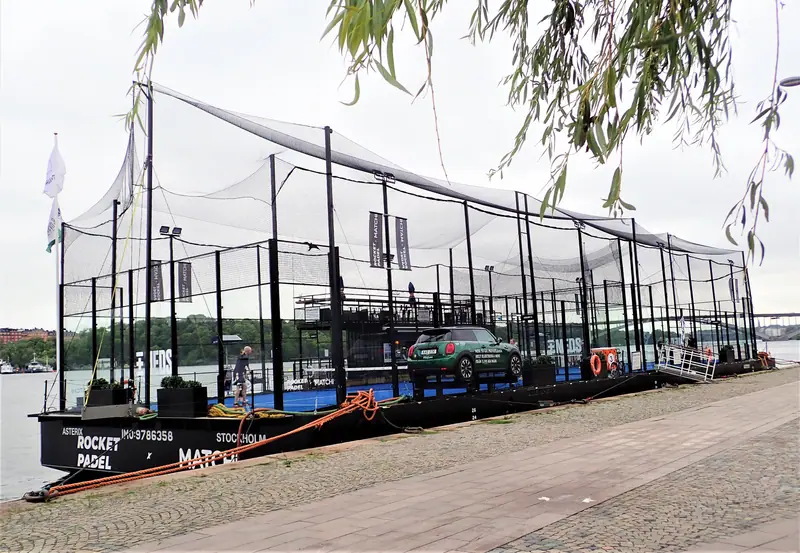 Buying guideThe best padel racket for beginners: the spec to look for after three sessions on a hire racketThe best padel racket for a beginner has a round head, a soft EVA core, a weight of about 340 to 365 g and a low (head light) balance.
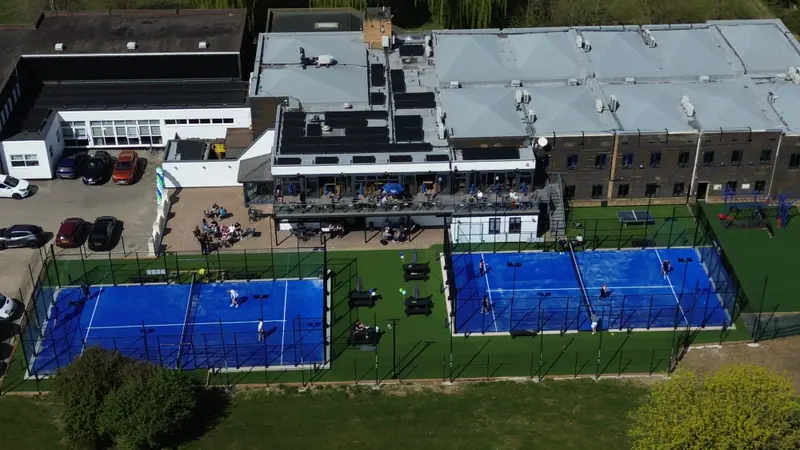 GuideHow much does a padel court cost to hire in the UK? Prices by region and timeHiring a padel court in the UK costs a median of £28 per court per hour off-peak, £40 at peak times and £36 at weekends, based on the published price lists of 79 venues we checked on 1 November 2026.
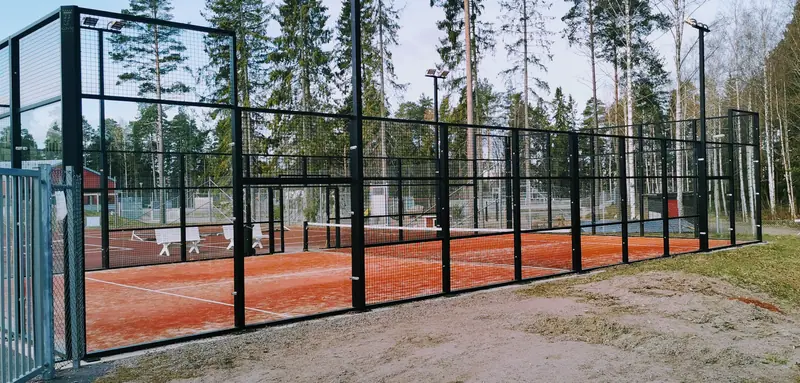 GuideA padel warm up you will actually do: 10 minutes off court, 10 minutes on itA good padel warm up takes about 20 minutes: around 10 minutes of light movement off court (jogging, side shuffles, lunges, arm circles and trunk rotations), then 10 minutes on court building from mini rallies at the net to volleys, lobs and overheads.