A padel warm up you will actually do: 10 minutes off court, 10 minutes on it
By the Lobwell Padel team. Updated 1 November 2026.
Short answer: A good padel warm up takes about 20 minutes: around 10 minutes of light movement off court (jogging, side shuffles, lunges, arm circles and trunk rotations), then 10 minutes on court building from mini rallies at the net to volleys, lobs and overheads. The NHS advises warming up for at least 6 minutes before exercise, and longer if you need it.
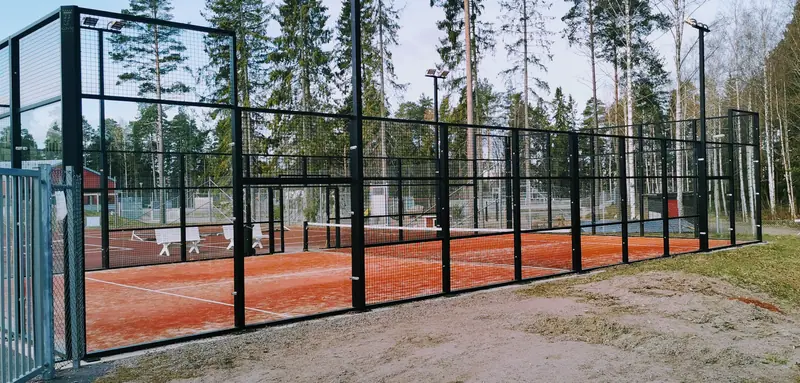
Why warm up for padel
Padel is mostly short bursts: a split step, two quick shuffles, a lunge, a stretch overhead for a lob. Doing that straight from a desk or a car feels stiff, and the first two games are usually scrappy. A proper warm up gets your heart rate up, loosens the shoulders and hips and gets your eye on the ball, so you play well from the first point.
Warming up is commonly recommended by health bodies. The NHS guidance on warming up before exercise says it should take at least 6 minutes, and longer if you feel you need it. We are not giving medical advice here: if you have an injury or a health condition, speak to a professional about what is right for you.
Off court: 10 minutes before you go in
Do this in the car park, the corridor or beside the court while the previous group finishes. You need about two metres of space and no equipment.
- 1Light jog or march, 2 minutes
Easy pace, just to raise your heart rate and warm the legs.
- 2Side shuffles, 1 minute
Ten metres each way, low and light on your feet, as you would move along the back glass.
- 3Walking lunges, 1 minute
Slow, controlled steps. Add a gentle twist towards the front leg.
- 4Leg swings, 1 minute
Forward and back, then side to side, holding a wall or the fence.
- 5Arm circles and shoulder rolls, 1 minute
Small circles growing larger, both directions.
- 6Trunk rotations, 1 minute
Feet planted, arms loose, turn your shoulders as if preparing a groundstroke.
- 7Wrist and forearm circles, 1 minute
Rotate the wrists and gently flex the fingers.
- 8Quick feet and split steps, 2 minutes
Short bursts of fast feet, finishing in a split step. Repeat eight to ten times.

On court: the hitting order
Once on court, build from short and soft to long and fast. Four players can do this in pairs on each half, two minutes per block. Use a slightly older tube for the warm up and save the fresh one for the match if you like.
| Minutes | Block | What to do |
|---|---|---|
| 0 to 2 | Mini rallies | All four at the service line, soft groundstrokes cross court |
| 2 to 4 | Volleys | One pair at the net, one at the service line; short punches |
| 4 to 6 | Swap | The other pair volleys |
| 6 to 8 | Lobs and overheads | Back players lob, net players play bandejas, not smashes |
| 8 to 9 | Off the glass | Back players let balls rebound and play them |
| 9 to 10 | Serves | Two or three serves each from both sides |
Drills that double as a warm up
For a fuller set of shots and when to use them, see padel shots explained, and for the wall drills in more depth, playing off the walls.
- Volley to volley: two players at the net either side, keeping the ball going without letting it bounce. Great for reflexes.
- Lob and bandeja: one at the back lobs, one at the net plays bandejas back deep. Swap after 2 minutes.
- Wall feed: the net player feeds deep into the back glass; the back player turns, lets it rebound and returns it.
- Middle rally: both pairs at the back, hitting only to the middle of the court, to build consistency.
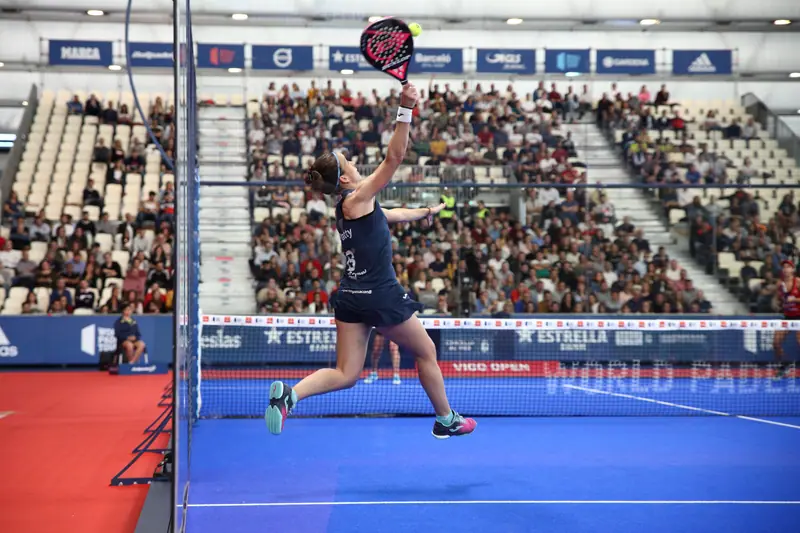
Warming up in the cold
On outdoor courts in winter, your body takes longer to loosen up, and so do the balls and racket. Wear a layer for the first ten minutes and take it off once you are warm. Keep the tube of balls in your bag, not the car, so they are not stone cold when you open them. Rackets with soft EVA cores keep more of their feel in cold weather than hard cored ones, which stiffen.
A padel bag with a thermal racket sleeve helps keep your racket nearer room temperature between home and court.

Lobwell Daypack Padel Backpack
Backpack with a racket sleeve and a separate shoe pocket
- Lobwell
- 2 colours

Lobwell Thermal Racket Cover
Padded cover that keeps the racket out of the heat and cold
- Lobwell
- 2 colours
After the session
Five minutes of easy walking and gentle stretching for calves, thighs, hips and shoulders helps you feel less stiff the next day. Drink water. If you play two days in a row, a lighter session or a slower warm up on the second day is sensible. A cold insulated bottle of water in the bag is never a bad idea after a long americano.
Lobwell Insulated Bottle 750 ml
Double walled steel bottle that keeps water cold for a long session
- Lobwell
- 2 colours

Kit for the warm up
You do not need special kit, but proper court shoes make side shuffles and split steps safer on the sand, and a light layer you can strip off helps outdoors. Our padel shoes guide explains the soles and what to wear for padel covers layers for each season.
Questions people ask
How long should a padel warm up be?
About 10 minutes of movement off court and 10 minutes of hitting on it. The NHS suggests warming up for at least 6 minutes before exercise.
What are the best padel exercises?
Side shuffles, split steps, lunges, trunk rotations and shoulder circles reflect how you move on court and make a good base.
Should you stretch before padel?
Moving warm ups such as lunges and leg swings are more commonly recommended before play than long static stretches, which are better left for after.
Sources
Keep reading
 GuideYour first padel session: what to bring, what to expect and 10 tips from the first hourFor your first padel session, bring grippy trainers, sportswear, water and a friend or three: most venues hire rackets for a few pounds and sell balls at reception.
 GuidePadel shots explained: the 16 strokes you will hear about, and when to play eachThe core padel shots are the groundstroke, the volley, the lob, the bandeja (a controlled sliced overhead), the vibora (a faster, more side spun overhead), the smash, the chiquita (a soft, low ball to the feet of net players) and the back glass return.
 GuideWhat to wear for padel: outfits for indoor courts, cold outdoor courts and club nightsWear breathable sportswear you can lunge and reach in: a technical t-shirt or polo, shorts, a skort or leggings, cushioned sports socks and court shoes with a herringbone sole.
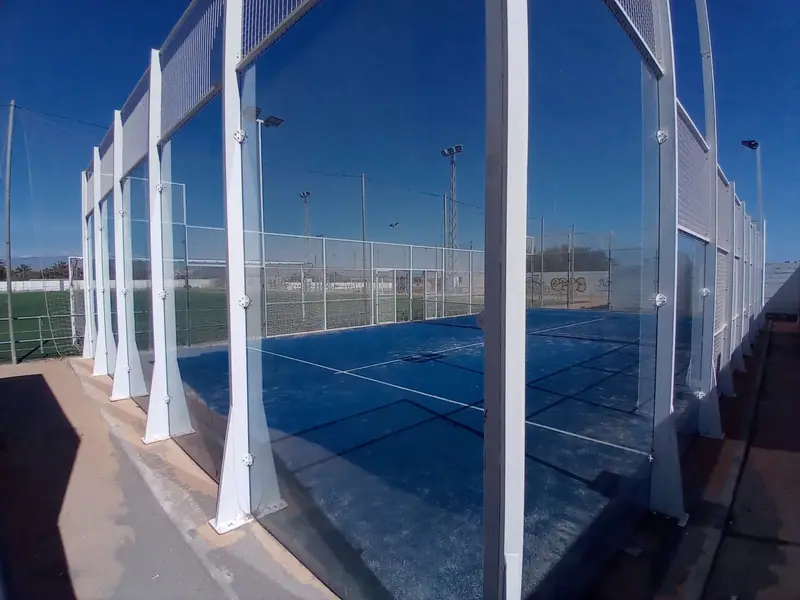 GuideWhat shoes for padel? Herringbone soles, grip on sand and what to avoidWear court shoes with a herringbone or herringbone and omni mixed sole for padel, because most UK courts are sand filled artificial grass and that zig zag pattern grips the sand when you stop and change direction.
 GuidePlaying off the walls: how to read the back and side glass in padelTo play off the back glass in padel, turn sideways early, let the ball pass you, move with it towards the wall and hit it as it comes back off the glass, usually upwards into a lob or a low ball to the middle.