Padel guides
Rules, rackets, technique and kit care, written for UK players. Start with how to play if you are new.
 GuideWhat is padel? A plain guide to the sport filling up UK courtsPadel is a doubles racket sport played on an enclosed court 10 metres wide and 20 metres long, with glass walls you can play the ball off.
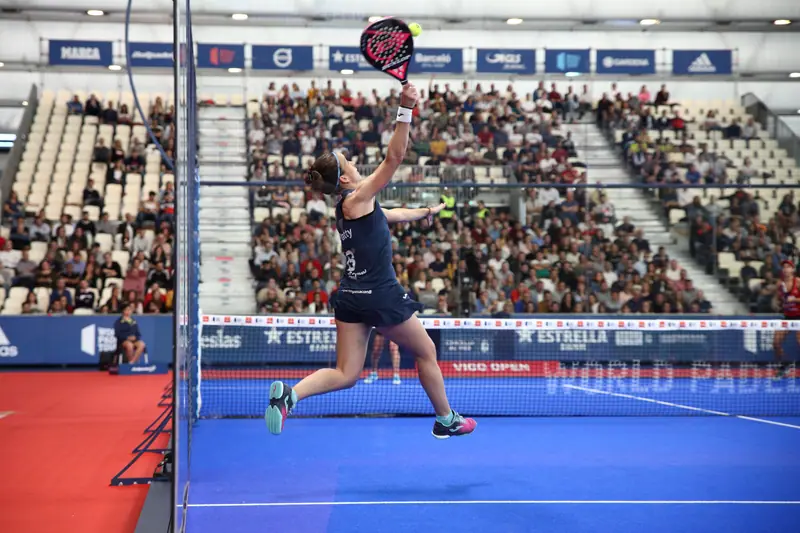 GuideHow to play padel: the serve, the walls and the first ralliesTo play padel, two pairs face each other on a 10 by 20 metre walled court.
 GuidePadel rules: every rule you need for doubles, from the serve to the fencePadel rules come from the International Padel Federation.
 GuidePadel scoring: points, golden point, Star Point, tie-breaks and setsPadel is scored like tennis: 15, 30, 40, then game, with sets won at six games by a two game margin and a tie-break at 6-6 (first to 7 points, two clear).
 GuidePadel court size: every dimension in metres, from the net to the roofA padel court is 10 metres wide and 20 metres long, measured inside the walls, with a 0.5% tolerance.
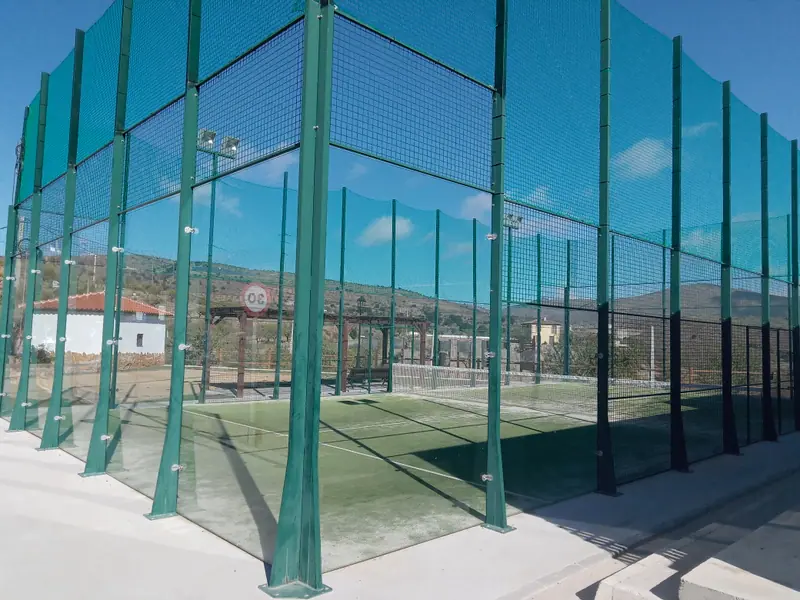 GuideHow to choose a padel racket: shape, weight, core and face in six decisionsChoose a padel racket by your level first, then shape, weight and core.
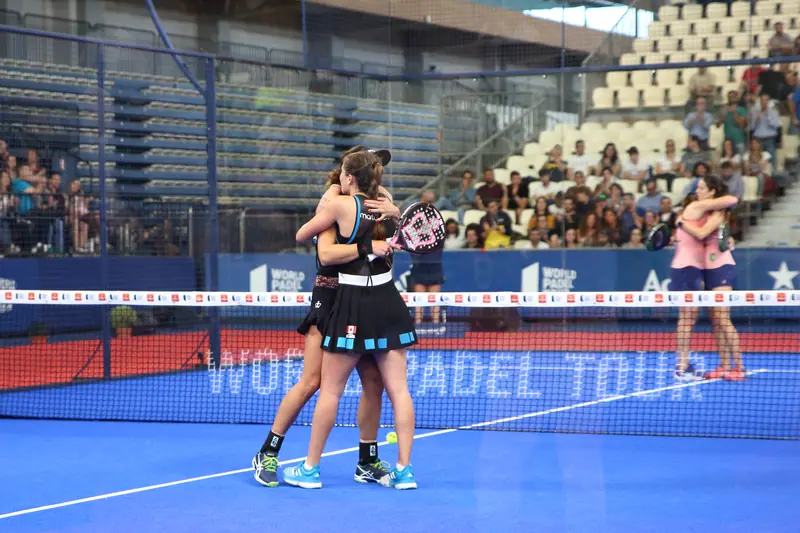 GuidePadel racket shapes explained: round, teardrop, diamond and what each does to the ballPadel rackets come in three main shapes.
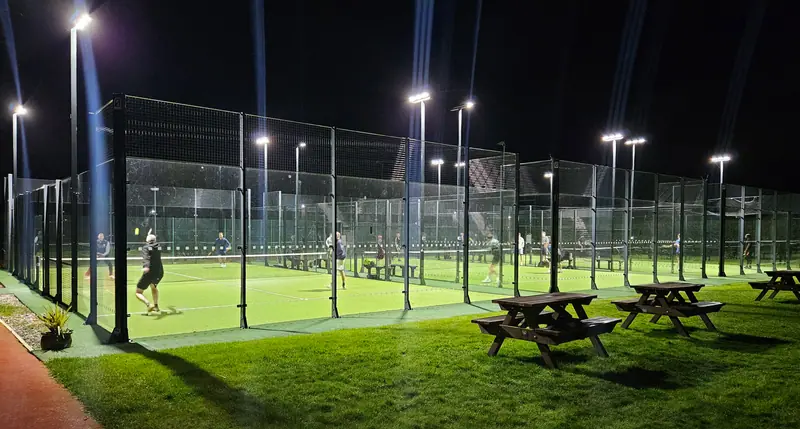 GuidePadel racket weight: how heavy should your racket be?Most adult padel rackets weigh between 340 and 375 g; the FIP rules set no weight limit.
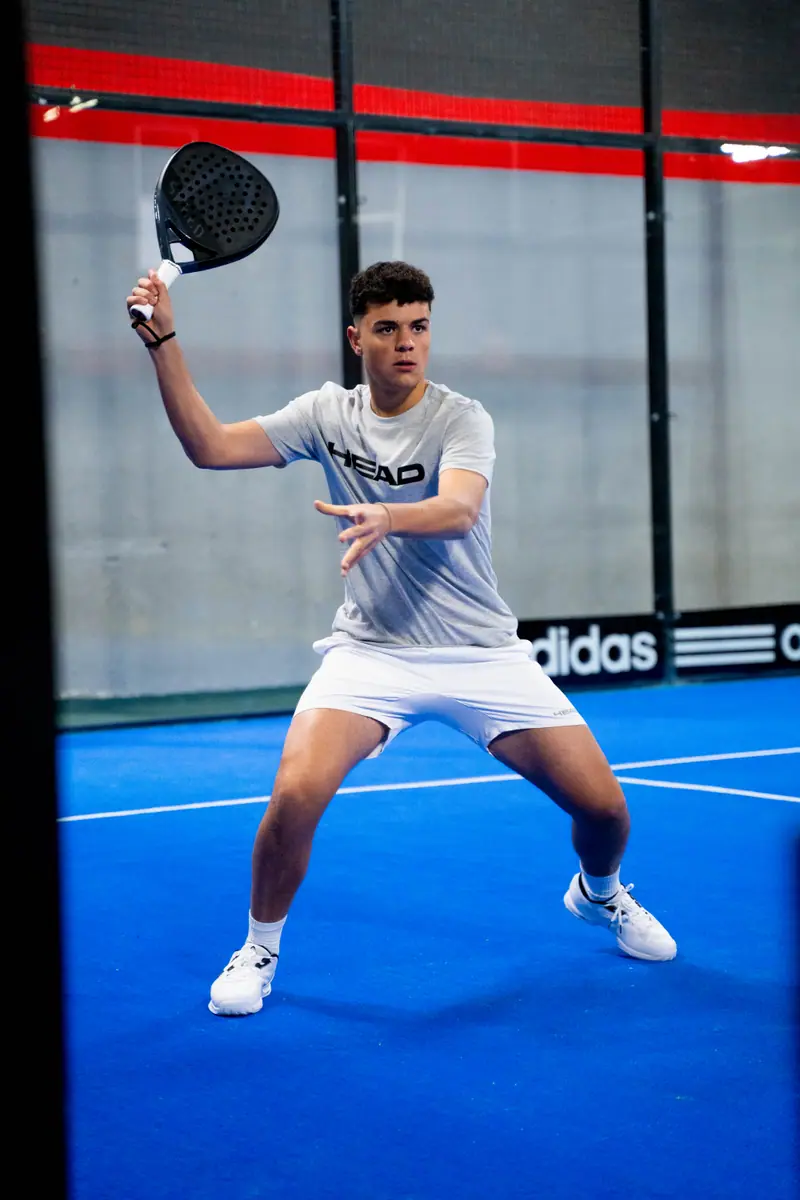 GuidePadel racket balance: head light, even or head heavy, and how it changes your gameBalance is where a padel racket's weight sits along its length.
 GuideWhat are padel rackets made of? Faces, frames, cores and finishesA padel racket is a solid sandwich: two faces of glass fibre or carbon fibre over a foam core, usually EVA rubber, held in a tubular frame of carbon or glass fibre.
 GuidePadel racket cores: what is inside your racket and why it decides the feelThe core is the foam slab inside a padel racket, usually EVA rubber, sitting between the two faces in a racket no thicker than 38 mm.
 GuidePadel balls: what makes them different, which to buy and how long they lastPadel balls must be 6.35 to 6.77 cm across, weigh 56.0 to 59.4 g and bounce 135 to 145 cm when dropped from 2.54 m, under FIP rules.
 GuideHow to regrip a padel racket: fitting an overgrip in two minutesTo regrip a padel racket, peel off the old overgrip, start the new one at the butt of the handle with the tapered end, wrap upwards with a slight overlap of a few millimetres while keeping tension, and finish just below the throat with the finishing tape.
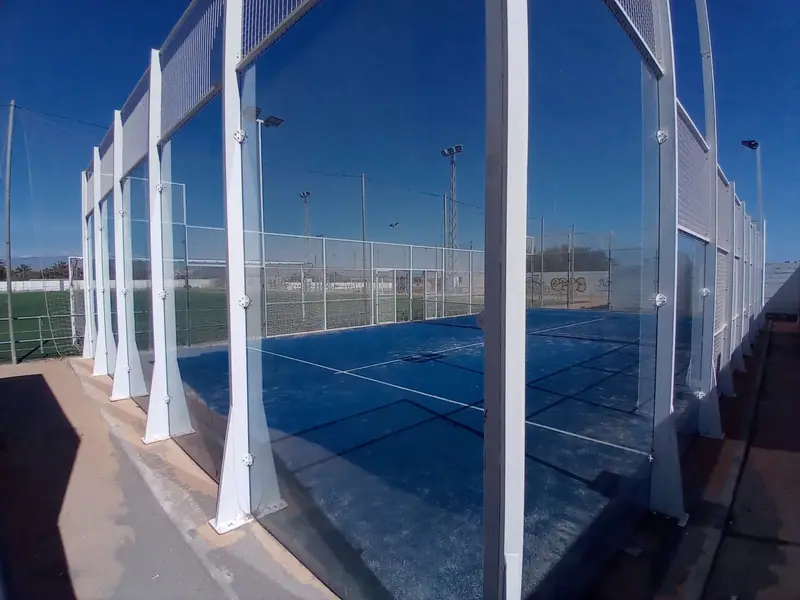 GuideWhat shoes for padel? Herringbone soles, grip on sand and what to avoidWear court shoes with a herringbone or herringbone and omni mixed sole for padel, because most UK courts are sand filled artificial grass and that zig zag pattern grips the sand when you stop and change direction.
 GuideWhat to wear for padel: outfits for indoor courts, cold outdoor courts and club nightsWear breathable sportswear you can lunge and reach in: a technical t-shirt or polo, shorts, a skort or leggings, cushioned sports socks and court shoes with a herringbone sole.
 GuideYour first padel session: what to bring, what to expect and 10 tips from the first hourFor your first padel session, bring grippy trainers, sportswear, water and a friend or three: most venues hire rackets for a few pounds and sell balls at reception.
 GuidePadel shots explained: the 16 strokes you will hear about, and when to play eachThe core padel shots are the groundstroke, the volley, the lob, the bandeja (a controlled sliced overhead), the vibora (a faster, more side spun overhead), the smash, the chiquita (a soft, low ball to the feet of net players) and the back glass return.
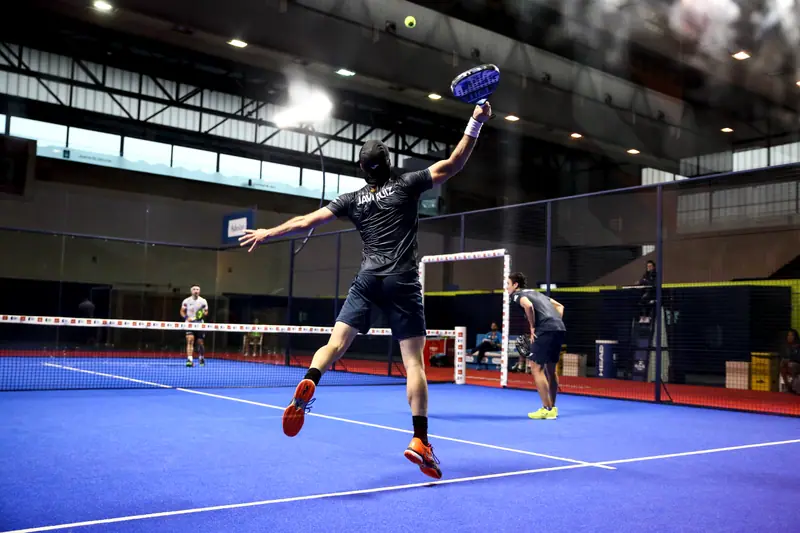 GuidePadel glossary: 50 terms, from americano to vibora, with the Spanish shot namesMost padel terms are Spanish: globo is a lob, remate a smash, bandeja a sliced overhead, vibora a faster side spun one, chiquita a soft ball to the feet, and salida de pared a shot played after the ball comes off the wall.
 GuideThe padel serve: the rules, the faults and a serve that gets you to the netIn padel you serve underarm: bounce the ball behind your service line, hit it at or below waist height with at least one foot on the ground, and send it diagonally into the receiver's box.
 GuidePlaying off the walls: how to read the back and side glass in padelTo play off the back glass in padel, turn sideways early, let the ball pass you, move with it towards the wall and hit it as it comes back off the glass, usually upwards into a lob or a low ball to the middle.
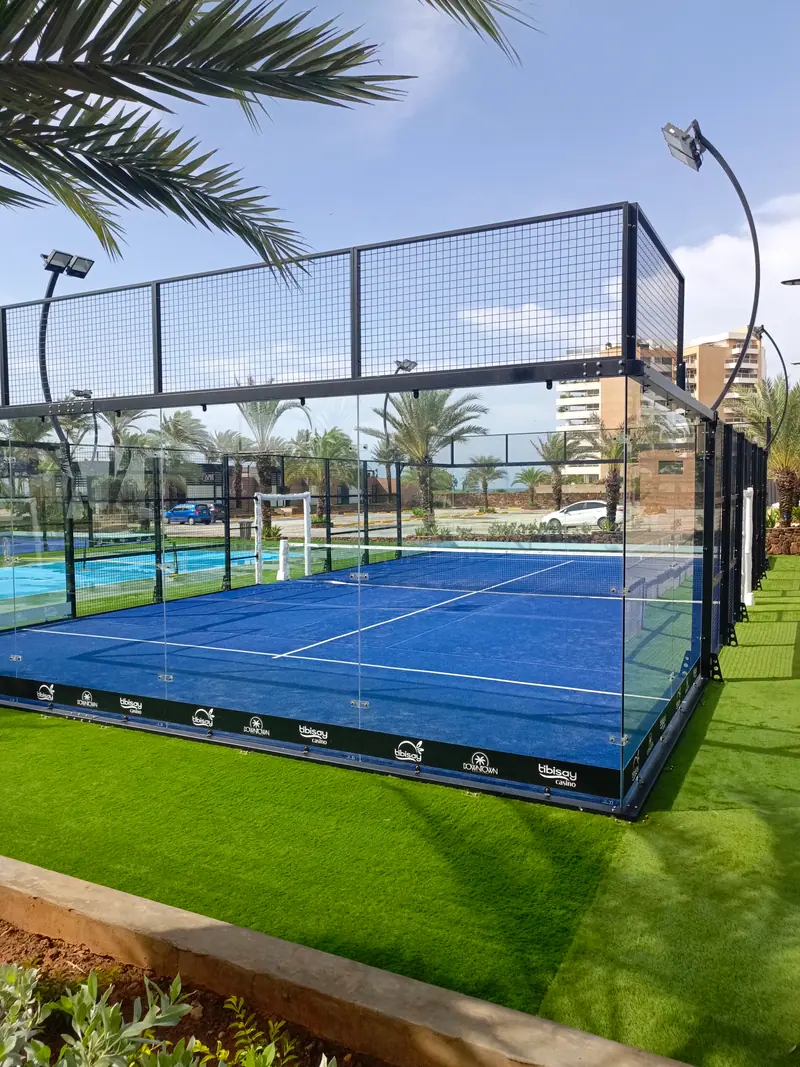 GuidePadel doubles tactics: positioning, the net, the lob and the middleThe core padel tactic is simple: the pair at the net usually wins the point, so get both players to the net together and use lobs to push opponents back when they hold it.
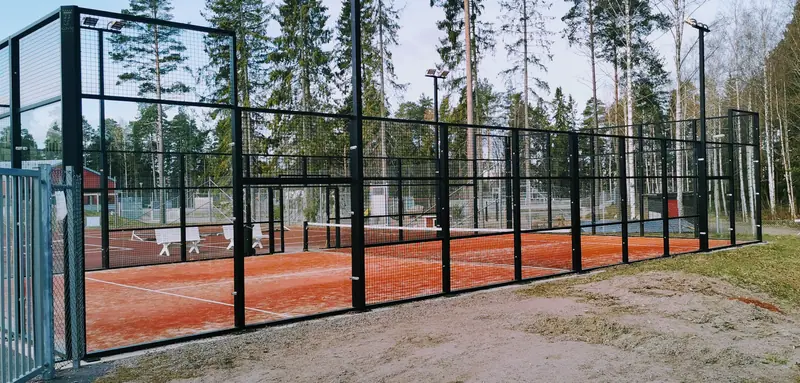 GuideA padel warm up you will actually do: 10 minutes off court, 10 minutes on itA good padel warm up takes about 20 minutes: around 10 minutes of light movement off court (jogging, side shuffles, lunges, arm circles and trunk rotations), then 10 minutes on court building from mini rallies at the net to volleys, lobs and overheads.
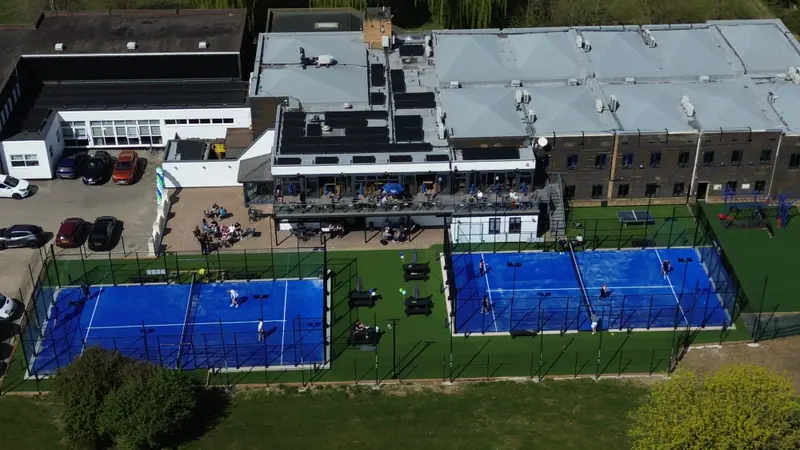 GuideHow much does a padel court cost to hire in the UK? Prices by region and timeHiring a padel court in the UK costs a median of £28 per court per hour off-peak, £40 at peak times and £36 at weekends, based on the published price lists of 79 venues we checked on 1 November 2026.
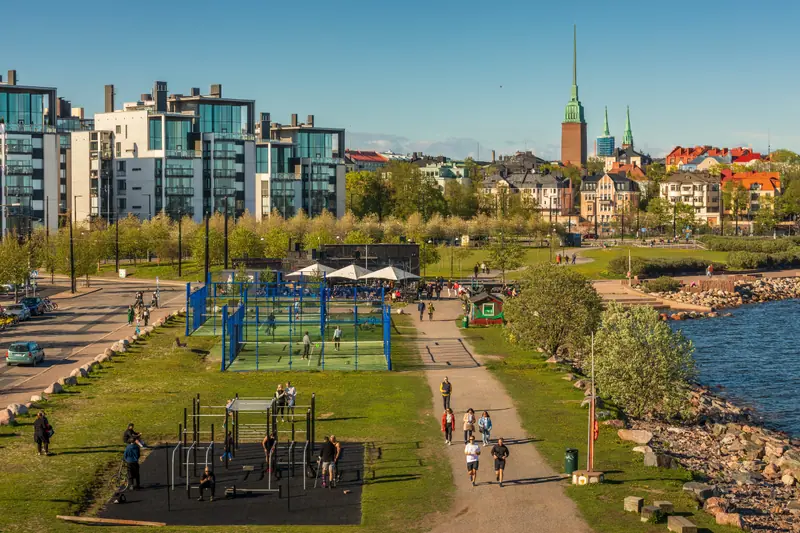 GuideHow to book a padel court in the UK: apps, timing and what to checkTo book a padel court in the UK, find a venue through the LTA's court finder or a booking app such as Playtomic, then book a 60 or 90 minute slot online and split the fee between four.
 GuidePadel racket care: how to make a racket last, and what can be repairedMost padel racket damage comes from three things: scraping the top of the frame on the glass or turf, heat from a car boot, and hard knocks between rackets.
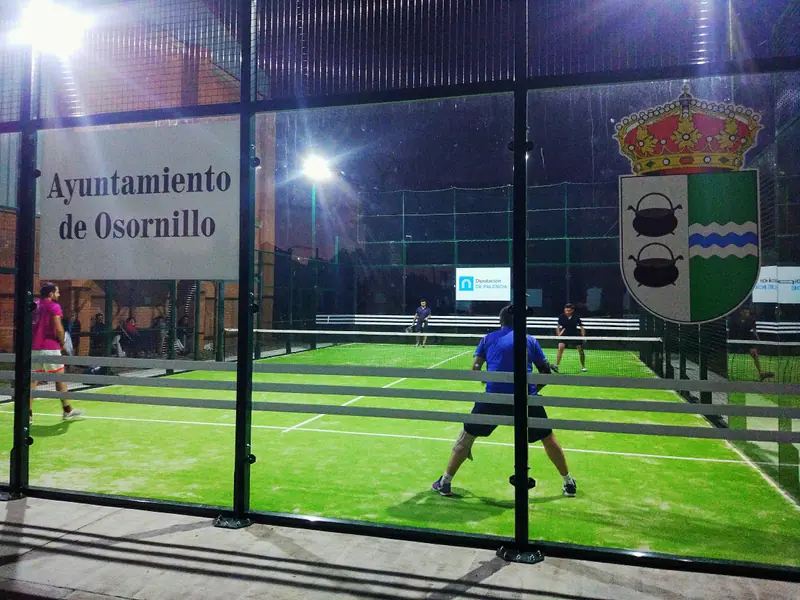 GuideWhen to replace a padel racket: seven signs it has had its dayReplace a padel racket when the frame is cracked through, the face is lifting from the core, or the racket has lost so much liveliness that your lobs land short and it sounds dull.
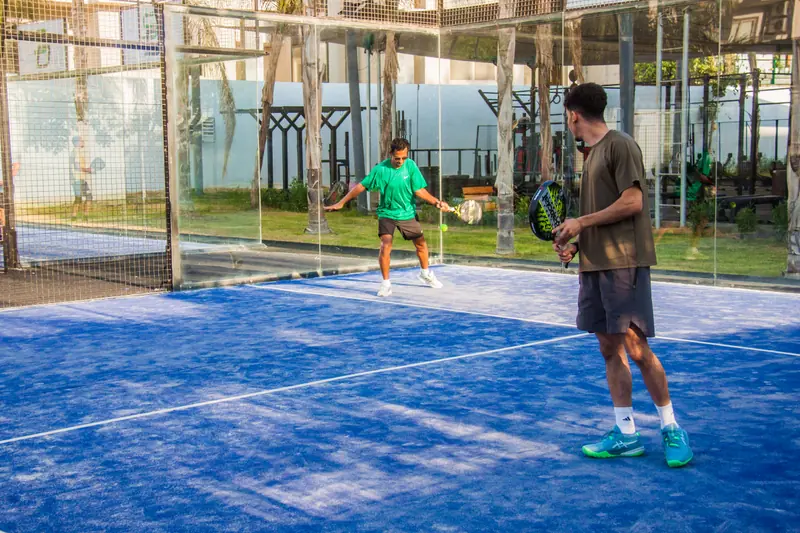 GuideJunior padel rackets: what size and weight a child needs, and when to move upMost children aged about 7 to 12 play best with a junior padel racket of around 280 to 300 g, with a round head, a soft core and a slightly shorter handle.
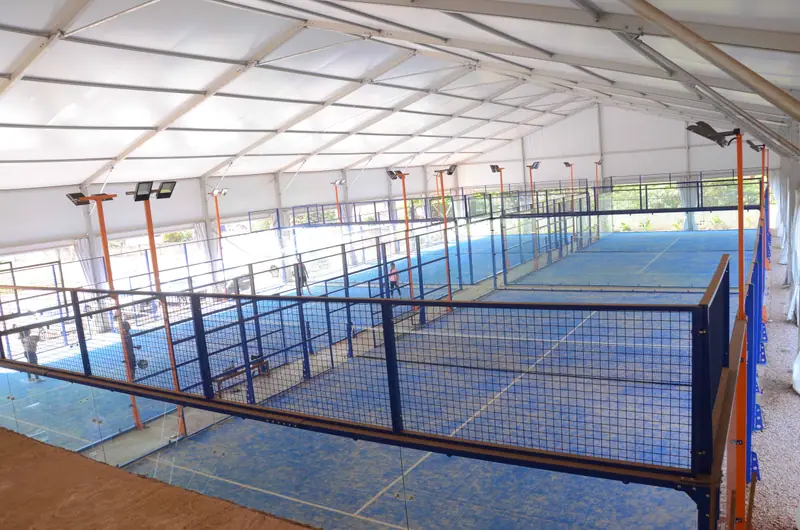 GuidePadel in the UK: how many people play, where the courts are and what it costsPadel is one of the fastest growing sports in Britain.
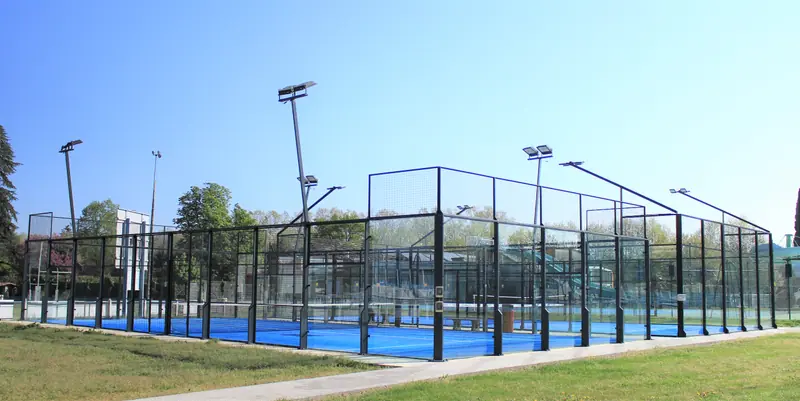 GuidePadel racket protector tape: why it is worth it and how to fit it neatlyA padel racket protector is a strip of tough, clear or coloured film that you stick over the top of the frame, where most damage happens when the racket scrapes the glass or the turf.