Padel racket protector tape: why it is worth it and how to fit it neatly
By the Lobwell Padel team. Updated 1 November 2026.
Short answer: A padel racket protector is a strip of tough, clear or coloured film that you stick over the top of the frame, where most damage happens when the racket scrapes the glass or the turf. It adds only a few grams, costs a few pounds and takes about five minutes to fit. Replace it when it peels, tears or wears through.
Why padel frames get damaged
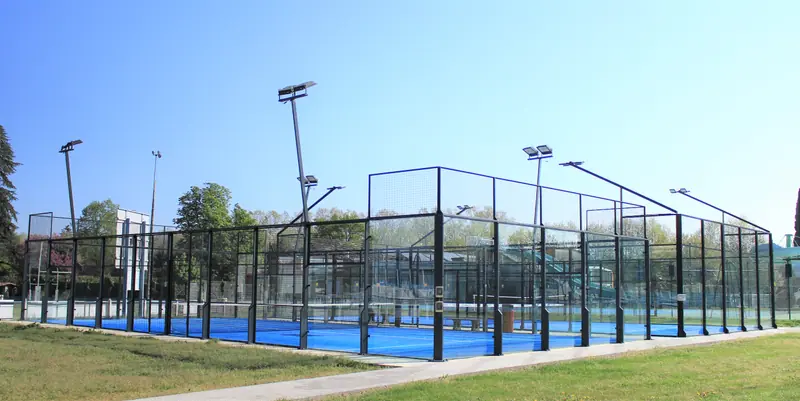
In tennis, the strings face the court and the frame rarely touches anything. In padel, the racket regularly meets hard surfaces. You dig low balls out of the corner and scrape the turf, you defend off the back glass and clip the wall, and in fast exchanges at the net two partners' rackets sometimes collide. The top edge of the head, between roughly ten and two o'clock, takes almost all of it.
Over a few months that becomes chipped paint, then exposed carbon or glass fibre, and in the worst cases a crack. A protector takes the hits first.
Types of protector
Our Frame Protector Tape is polyurethane film in clear or carbon look, sized to fit any adult padel racket.
| Type | Look | Good for |
|---|---|---|
| Clear film | Almost invisible | Keeping the racket's design visible |
| Carbon look film | Black, textured | Dark rackets or hiding old scuffs |
| Coloured film | Bold contrast | Personalising, or spotting your racket in a pile |
| Factory fitted guard | Built in rubber or plastic strip | Some rackets come with one; tape can still go over it |

Lobwell Frame Protector Tape
Clear tape that saves the frame from wall and floor scrapes
- Lobwell
- 2 colours
Fitting it, step by step
- 1Clean the frame
Wipe the top of the frame with a damp cloth, then dry it completely. Any dust or grease stops the tape sticking.
- 2Warm the strip
Hold it in your hands for a minute. Warm film bends round the curve more easily.
- 3Find the centre
Line the middle of the strip up with the top centre of the frame.
- 4Stick from the middle out
Peel the backing a little at a time and press the strip down, working outwards to each side.
- 5Fold over the edges
Wrap the film evenly over both faces of the frame edge, smoothing out bubbles as you go.
- 6Let it settle
Leave it for a few hours before playing so the adhesive bonds fully.
Does it change how the racket plays?
Slightly, but less than most players worry about. A protector adds a few grams at the very top of the head, which moves the balance a fraction towards the head. On a racket of 355 to 365 g that is rarely noticeable. If you are sensitive to balance, add an extra overgrip at the handle to even it out. Our padel racket balance guide explains how small changes add up.
It does not affect the hitting surface, because it sits on the frame edge, outside the face.

Where the damage actually happens
Look at any racket that has had a season of club padel and the pattern is the same. The paint wears first on the very top of the frame, then on the upper sides at roughly ten and two o'clock, where the racket brushes the side glass on balls out of the corners. Damage lower down the frame is rare, apart from the odd mark from dropping the racket on the turf.
So the strip does not need to run all the way round. A length that covers the top third of the head protects almost everything. Some players also put a short piece on each side of the throat if they tend to scrape the racket along the floor when digging out low balls. Wider coverage looks tidier but adds a little more weight at the head.
When to replace it
To remove it, peel slowly from one end. Clean any residue with a damp cloth before fitting a new strip.
- The film has torn or worn through at the top.
- The edges are peeling and catching on the glass.
- Dirt has got under it and it looks cloudy.
- You are about to sell or pass on the racket and want it to look its best.
Protectors and the rest of racket care
Tape is one of three cheap habits that make a racket last: a protector for the frame, a thermal cover against heat and knocks, and a fresh overgrip. Together they cost less than a single court booking at peak. The full routine is in padel racket care, and the signs that even a well looked after racket is finished are in when to replace a padel racket. Pick up tape, covers and grips in the padel accessories range.

Lobwell Thermal Racket Cover
Padded cover that keeps the racket out of the heat and cold
- Lobwell
- 2 colours
Should a new racket get one straight away?
Yes. The first scrape usually happens in the first few sessions, often on the first ball you dig out of a corner, and it is far easier to fit tape on a clean, undamaged frame. If you buy a racket as part of a bundle, add a strip at the same time: it is the cheapest item in the bag and the one most likely to save you buying a replacement early. Our beginner padel rackets all take standard tape.
Questions people ask
Do padel racket protectors work?
Yes. They take the scrapes and knocks on the top of the frame, which is where most padel racket damage happens.
Does protector tape add weight?
A few grams at the top of the frame. It nudges the balance slightly towards the head, which most club players do not notice.
How do I put protector tape on a padel racket?
Clean and dry the frame, warm the strip, line up the centre with the top of the frame, then stick it down from the middle outwards and fold it over both edges.
Can you put protector tape on any padel racket?
Yes. Standard strips fit any adult padel racket frame. Trim them if needed for a junior racket.
Sources
Keep reading
 GuidePadel racket care: how to make a racket last, and what can be repairedMost padel racket damage comes from three things: scraping the top of the frame on the glass or turf, heat from a car boot, and hard knocks between rackets.
 GuideWhen to replace a padel racket: seven signs it has had its dayReplace a padel racket when the frame is cracked through, the face is lifting from the core, or the racket has lost so much liveliness that your lobs land short and it sounds dull.
 GuidePadel racket balance: head light, even or head heavy, and how it changes your gameBalance is where a padel racket's weight sits along its length.
 GuidePlaying off the walls: how to read the back and side glass in padelTo play off the back glass in padel, turn sideways early, let the ball pass you, move with it towards the wall and hit it as it comes back off the glass, usually upwards into a lob or a low ball to the middle.
 Buying guidePadel gifts: useful ideas for every budget, for him, for her and for juniorsThe best padel gifts are things players use up or replace often: overgrips (£5.99 for three), tubes of balls (£4.49 to £5.49), a ball pressuriser (£14.99), a thermal racket cover (£12.99) or a bag (£29 to £69).