Padel racket balance: head light, even or head heavy, and how it changes your game
By the Lobwell Padel team. Updated 1 November 2026.
Short answer: Balance is where a padel racket's weight sits along its length. A low (head light) balance feels quick and easy to control, an even balance sits in the middle, and a high (head heavy) balance adds momentum on smashes but asks more of your arm. Round rackets are usually low balance, teardrops even and diamonds high; you can find the balance point at home with a ruler and a pencil.
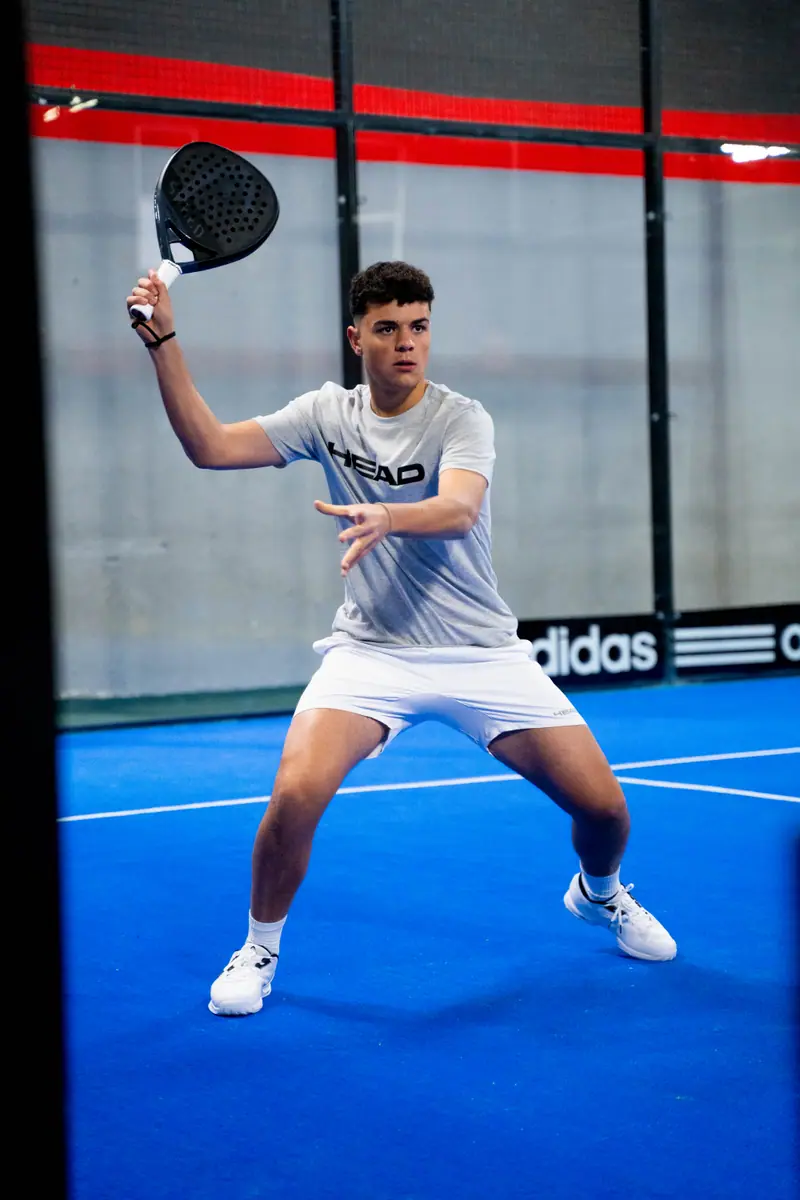
What balance means
Hold a racket by the very end of the handle and it feels heavier than when you hold it near the throat, even though the scales say the same thing. That is balance at work. The further the weight sits from your hand, the more effort it takes to swing and the more momentum the head carries into the ball.
Brands describe balance in words (low, even, high) or as a distance in centimetres from the butt of the handle. A padel racket is up to 45.5 cm long, so its midpoint is about 22.75 cm from the end. Rackets balanced closer to the handle than that feel head light; further towards the head, head heavy.
The three balance types
| Balance | Feel | Good for | Usual shape |
|---|---|---|---|
| Low (head light) | Quick, easy to steer | Net reflexes, defence, comfort | Round |
| Even | Neutral | All round play | Teardrop |
| High (head heavy) | Heavy at the tip, powerful | Smashes and flat overheads | Diamond |
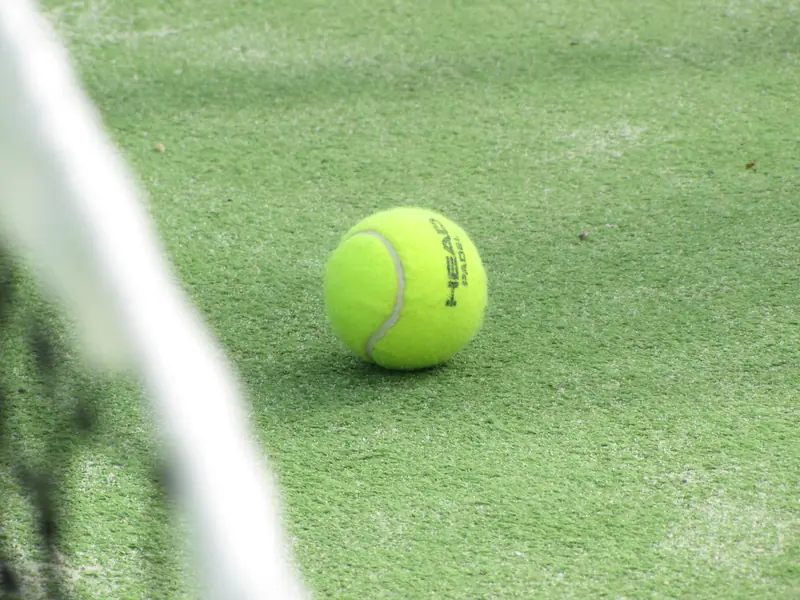
How balance changes your shots
At the net, the ball arrives fast and you have a fraction of a second to put the face in its path. A head light racket rotates faster in your hand, so it helps with reflex volleys and with defending balls that come off the side glass near your body. It is also kinder to the wrist on long sessions.
On overheads, a head heavy racket carries more mass at the point of contact. With good technique this means a heavier, faster smash for the same swing. Without good technique it means late contact and a sore shoulder. That is why the balance of a racket matters more to beginners than its weight on paper.
- Late on volleys? Try a lower balance.
- Smashes land short even when you hit them cleanly? A slightly higher balance may help.
- Forearm tired after an hour? Lower balance, and possibly lighter weight.
Find the balance point at home
Do it with your usual overgrip on, because that is the racket you actually play with.
- 1Find a thin edge
A ruler on its side or the edge of a table works.
- 2Lay the racket across it
Face flat, at right angles to the edge.
- 3Slide until it balances
Move it until it rests level without tipping either way.
- 4Mark and measure
Mark that point and measure from the butt of the handle in centimetres.
- 5Compare
A point nearer the handle than the middle of the racket means head light; nearer the tip means head heavy. Brands measure slightly differently, so compare your own rackets using the same method.

Balance on round, teardrop and diamond heads
Balance mostly follows the shape of the head. A round head keeps its widest part near the middle, so its mass sits closer to your hand and it reads as head light. A diamond carries its widest part high, so even at the same weight it reads as head heavy. Teardrops sit in between.
That is why it is hard to buy a head heavy round racket or a truly head light diamond, and why moving from round to diamond in one step often feels like a different sport. Most players are happiest moving one step up the ladder at a time: low to even, then even to high if their overheads justify it. The shapes themselves are compared in round vs teardrop vs diamond.
Adjusting balance
Balance can be nudged, not transformed. Each extra overgrip adds a few grams to the handle and pulls the balance towards your hand, which is why some players wrap two on a head heavy racket. Frame protector tape at the top adds a little mass at the head. Lead tape on the frame is the classic way to make a racket more head heavy, but small strips make a noticeable difference and are easy to overdo.
Our guide on how to regrip a padel racket covers wrapping overgrips, and the padel overgrips and grips range has the grips themselves.
Lobwell Frame Protector Tape
Clear tape that saves the frame from wall and floor scrapes
- Lobwell
- 2 colours
The Lobwell range by balance
Fen, Tor, Lark and Pip are low balance, built for control and comfort. Ridge is even, a step towards more pace while staying forgiving. Arc is even to slightly high, and Crag is high, built for attacking overheads. If you are moving from a low balance racket, take one step at a time: Tor to Ridge feels natural, Tor to Crag does not. Compare them all in all padel rackets, or read padel racket shapes explained to see why shape and balance usually travel together.
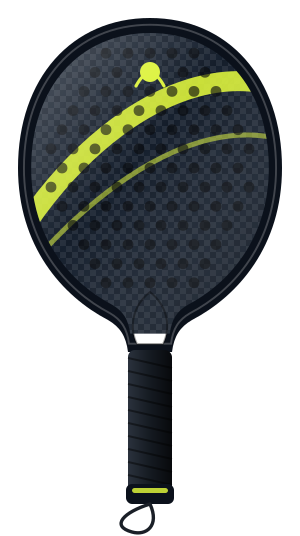
Lobwell Tor
Round 3K carbon racket for your first year and well beyond it
- Round
- 3K carbon
- 355 to 365 g
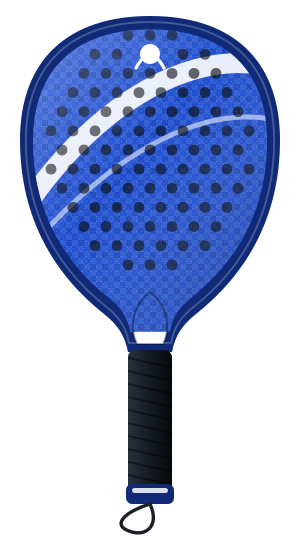
Lobwell Ridge
Teardrop 3K carbon racket for players moving off a round head
- Teardrop
- 3K carbon
- 360 to 370 g
Questions people ask
Is a head heavy padel racket better?
Only for players with good overhead technique who want more power. For most club players a low or even balance gives better control and quicker volleys.
What balance is best for beginners?
A low, head light balance. It makes the racket easier to move and more forgiving at the net.
Can I make my padel racket more head light?
Yes, slightly. Adding a second overgrip adds weight to the handle and moves the balance towards your hand.
Does balance matter more than weight?
For how a racket feels when you swing it, often yes. A head heavy 360 g racket can feel more demanding than a head light 370 g one.
Sources
Keep reading
 GuidePadel racket weight: how heavy should your racket be?Most adult padel rackets weigh between 340 and 375 g; the FIP rules set no weight limit.
 GuidePadel racket shapes explained: round, teardrop, diamond and what each does to the ballPadel rackets come in three main shapes.
 GuideHow to choose a padel racket: shape, weight, core and face in six decisionsChoose a padel racket by your level first, then shape, weight and core.
 Buying guideThe best padel rackets for control: specs for defenders, builders and right side playersA control padel racket has a round head, a low (head light) balance, a soft to medium EVA core and a 3K carbon or glass fibre face, usually at 340 to 365 g.
 Buying guideThe best padel rackets for power: the specs behind a heavy smash, and who should use themA power padel racket combines a diamond or high teardrop head, a high (head heavy) balance, a hard EVA core and a stiff 12K or 18K carbon face, usually at 365 to 375 g.