Padel comparisons
Side by side answers to the questions players ask most, with tables and charts.
 ComparisonRound vs teardrop vs diamond: which padel racket shape wins, shot by shotRound rackets win on control, forgiveness and speed at the net; diamond rackets win on overhead power; teardrops sit in between and are the most common choice for intermediate players.
 ComparisonCarbon vs fibreglass padel rackets: feel, power, durability and who should choose whichFibreglass (glass fibre) faces flex more, so they feel soft, springy and forgiving, which suits beginners and occasional players.
 ComparisonSoft vs hard EVA: how the core changes a padel racket, and which one you should playSoft EVA cores compress easily and give the ball a lively push on slow and medium shots, which helps lobs, blocks and defence and feels comfortable.
 Comparison3K vs 12K vs 18K carbon: what the numbers mean on a padel racketThe K number is how many thousand carbon filaments are bundled into each strand of the weave: 3K is 3,000, 12K is 12,000 and 18K is 18,000.
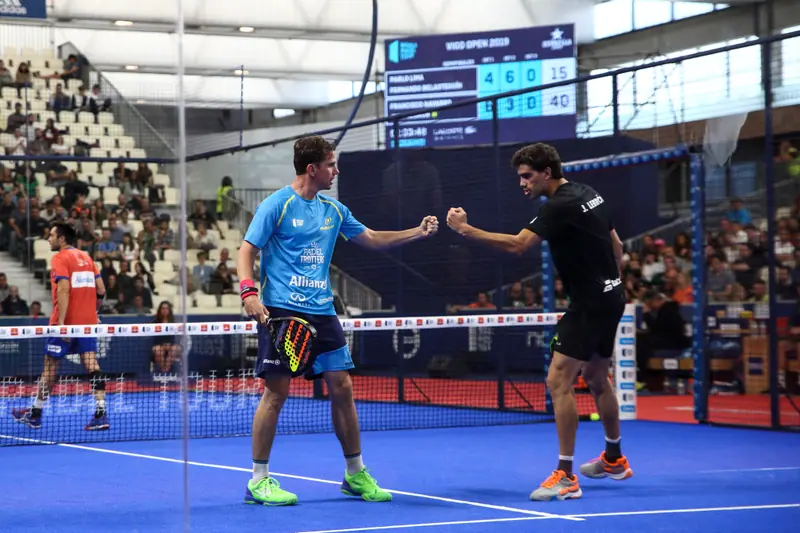 ComparisonPadel vs tennis: the court, racket, ball, rules and cost comparedPadel is played on a walled 20 by 10 metre court, almost always as doubles, with a solid stringless racket, a slightly smaller, lower pressure ball and an underarm serve; the ball can be played off the glass.
 ComparisonPadel vs pickleball: two fast growing sports with very different courtsPadel is played on an enclosed 20 by 10 metre court with glass walls you can use, a perforated foam core racket and a pressurised felt ball.
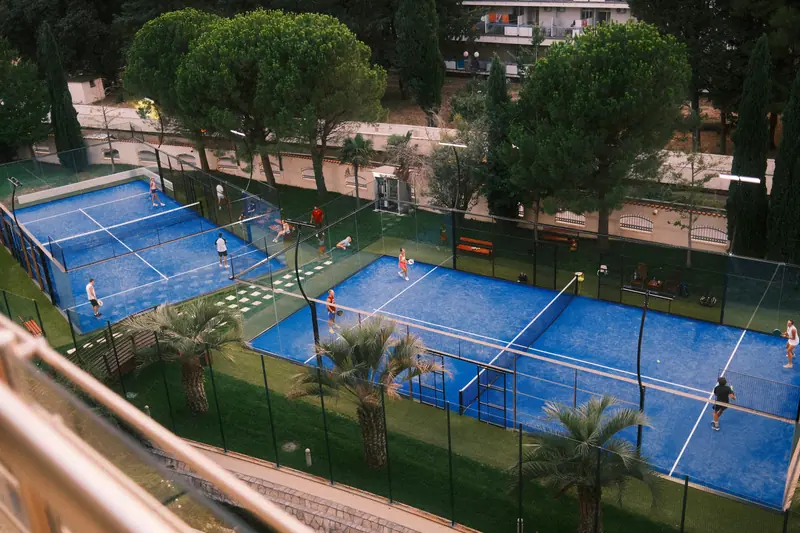 ComparisonPadel balls vs tennis balls: size, pressure, bounce and why you should not swap themA padel ball is slightly smaller than a tennis ball (6.35 to 6.77 cm across against 6.54 to 6.86 cm) and has lower internal pressure, though both weigh 56.0 to 59.4 g.
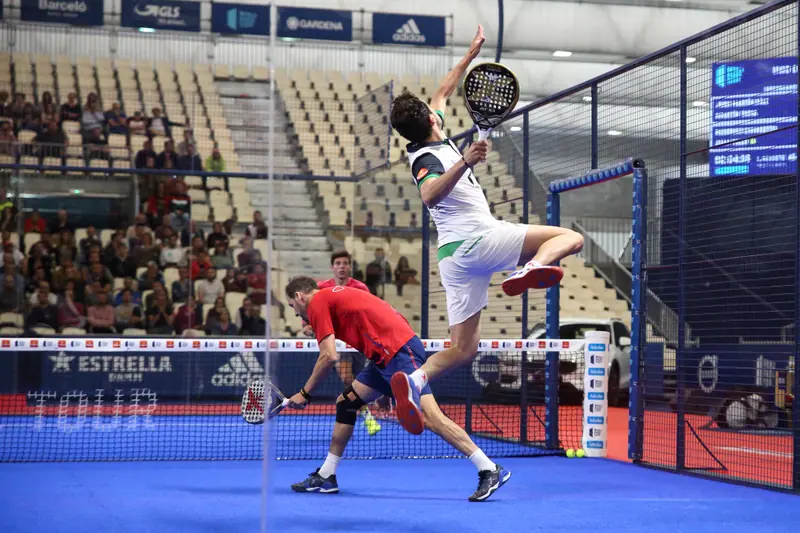 ComparisonPadel vs squash: walls, courts, intensity and which suits youBoth sports use walls, but very differently.