Padel vs squash: walls, courts, intensity and which suits you
By the Lobwell Padel team. Updated 1 November 2026.
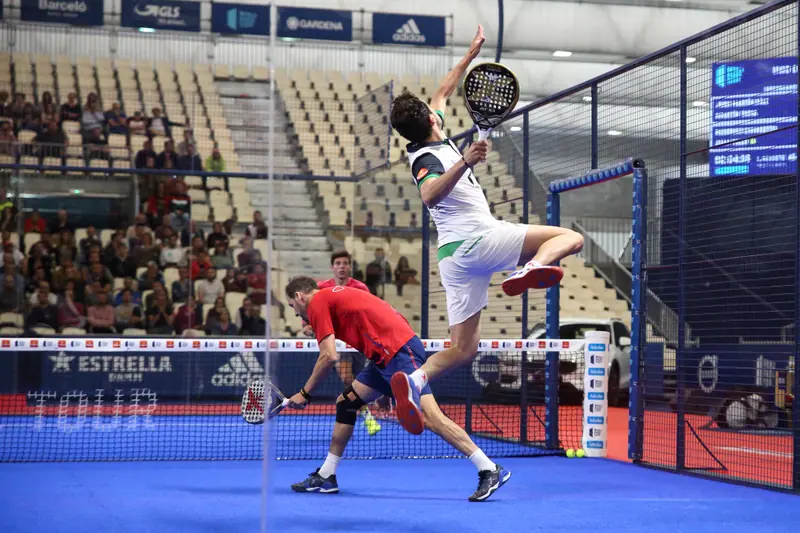
Short answer: Both sports use walls, but very differently. Squash is played indoors on a 9.75 by 6.4 metre court where you hit the ball against the front wall, usually one against one, with a small, low bounce ball and rally scoring to 11. Padel is played across a net on a 20 by 10 metre glass court, almost always as doubles, with the walls used after the ball bounces. Padel is easier to start and more sociable; squash is more intense per minute.
Side by side
| Padel | Squash | |
|---|---|---|
| Court | 20 m by 10 m, glass and mesh, indoor or outdoor | 9.75 m by 6.4 m, fully enclosed, indoor |
| Net | Yes, 0.88 m in the centre | No; a tin about half a metre high on the front wall |
| How walls are used | Ball may rebound off walls after bouncing on your side | Ball must hit the front wall; side and back walls in play |
| Format | Doubles almost always | Mostly singles; doubles on wider courts |
| Racket | Solid foam core with holes, max 45.5 cm | Long, light, strung |
| Ball | 6.35 to 6.77 cm, 56 to 59.4 g, felt | 39.5 to 40.5 mm, 23 to 25 g, rubber |
| Scoring | 15, 30, 40, game; sets to six | Point a rally to 11, usually best of five games |
| Serve | Underarm, after a bounce | Overarm or sidearm, onto the front wall |
Two different ideas of a wall
In squash the walls are the game. Every shot must reach the front wall above the tin, and the side and back walls are used to angle the ball and trap your opponent. You share the same space as your opponent and take turns to hit.
In padel, the walls are a second chance. You hit the ball over a net to the other side, and only after it bounces on their floor can it come off their walls. If it hits their glass before bouncing, you lose the point. You have your own half of the court, so there is no blocking or letting as in squash. See playing off the walls for how padel's walls work in practice.
Court, ball and racket
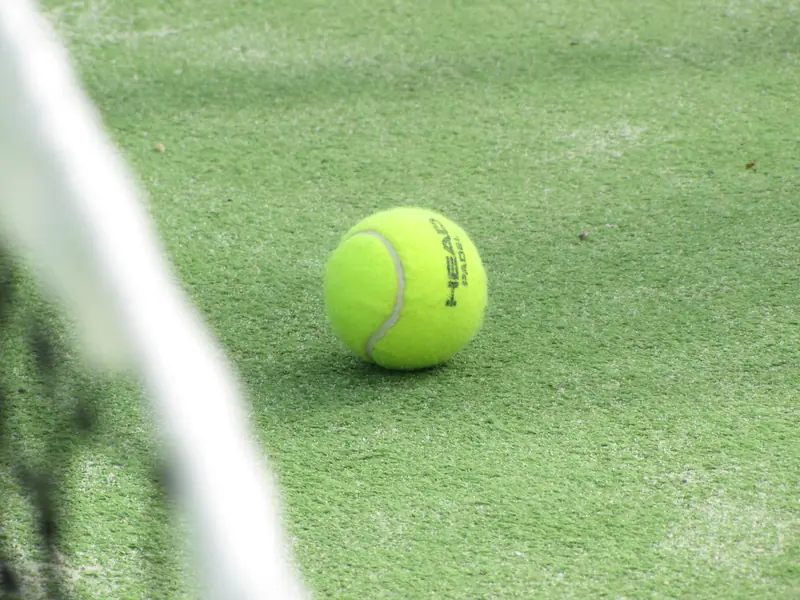
A squash court is about 62 square metres of floor, a padel court 200 square metres. The squash ball is much smaller and lighter, about 40 mm and 24 g against padel's 6.35 to 6.77 cm and 56 to 59.4 g, and it needs warming up before it bounces properly. Squash rackets are long, light and strung; padel rackets are short, solid and heavier for their size, at about 340 to 375 g.
This makes squash a game of fast, whippy wrist action and padel a game of compact, punchy swings.
Intensity and fitness
Squash is famously intense. With one opponent, a small court and a ball that is almost always in play, rallies are hard work and a 45 minute match is tiring. Padel is gentler per minute because you share the court with a partner and the ball is slower, but rallies can be long, there are plenty of short sprints and lunges, and a 90 minute booking is a good workout.
If you want the most exercise in the least time, squash wins. If you want a sociable game you can play for longer, with mixed abilities, padel suits better.

Learning curve
Padel is easier to pick up. The underarm serve, the net, the slower ball and the walls mean most beginners are rallying within the first hour. Squash has a steeper start: the ball dies quickly until it is warm, and getting it back to the front wall consistently takes time. Former squash players often take to padel quickly because they already read rebounds off walls, though they need to adjust to letting the ball bounce first and to playing across a net. Our first padel session guide helps with the switch.
Cost and access in the UK
Squash courts are usually indoors at leisure centres and clubs, booked for 40 or 45 minutes. Padel courts are booked for 60 or 90 minutes and split between four players; our survey of 79 UK venues found a median of £28 per court per hour off-peak and £40 at peak, so about £7 to £10 each. Padel has expanded fast, with the LTA counting 2,445 courts in Britain in October 2026. See padel court cost UK and the court finder.
Which should you choose?
If you are trying padel, a round, soft racket gives you the most help while you learn. See padel starter kits or the comparison of padel vs tennis.
- You want a sociable doubles game with long rallies: padel.
- You want a short, intense workout one on one: squash.
- You are new to racket sports: padel is the easier start.
- You already play squash: padel's walls will feel familiar, and you can play both.
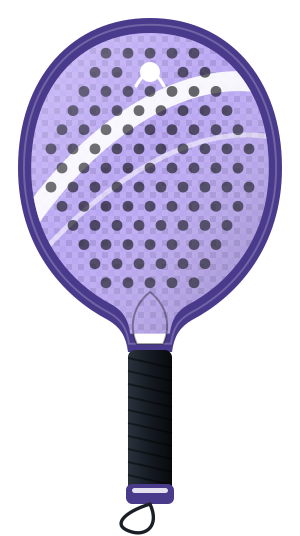
Lobwell Tor
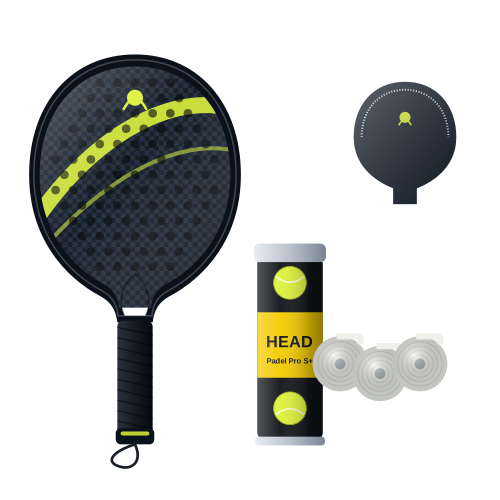
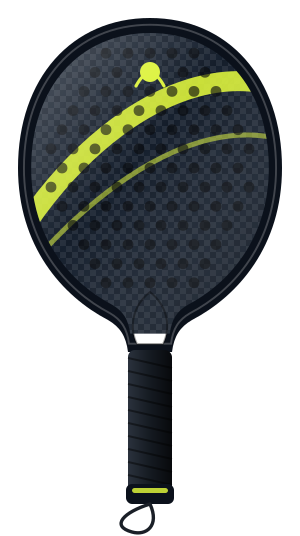
Round 3K carbon racket for your first year and well beyond it
- Round
- 3K carbon
- 355 to 365 g
Questions people ask
Is padel like squash?
Both use walls, but padel is played across a net in doubles, and the ball must bounce before it can come off the walls. Squash is hit against the front wall.
Is padel easier than squash?
Most people find padel easier to start, thanks to the underarm serve, slower ball and doubles format.
Which is better exercise, padel or squash?
Squash is more intense per minute. Padel is gentler per minute but often played for longer.
Can squash players play padel?
Yes. Reading rebounds off walls transfers well; the main adjustments are the net, the bounce rule and the shorter swing.
Sources
Keep reading
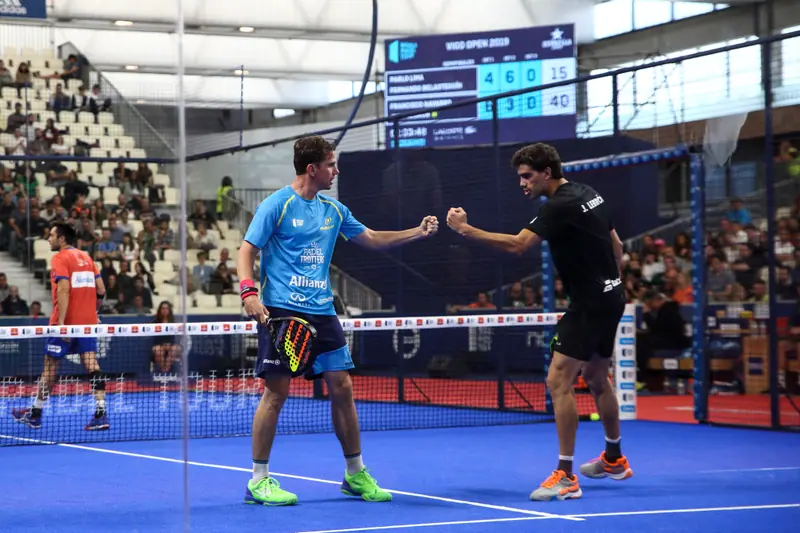 ComparisonPadel vs tennis: the court, racket, ball, rules and cost comparedPadel is played on a walled 20 by 10 metre court, almost always as doubles, with a solid stringless racket, a slightly smaller, lower pressure ball and an underarm serve; the ball can be played off the glass.
 ComparisonPadel vs pickleball: two fast growing sports with very different courtsPadel is played on an enclosed 20 by 10 metre court with glass walls you can use, a perforated foam core racket and a pressurised felt ball.
 GuidePlaying off the walls: how to read the back and side glass in padelTo play off the back glass in padel, turn sideways early, let the ball pass you, move with it towards the wall and hit it as it comes back off the glass, usually upwards into a lob or a low ball to the middle.
GuidePadel court size: every dimension in metres, from the net to the roofA padel court is 10 metres wide and 20 metres long, measured inside the walls, with a 0.5% tolerance.
 GuideWhat is padel? A plain guide to the sport filling up UK courtsPadel is a doubles racket sport played on an enclosed court 10 metres wide and 20 metres long, with glass walls you can play the ball off.