What is padel? A plain guide to the sport filling up UK courts
By the Lobwell Padel team. Updated 1 November 2026.
Short answer: Padel is a doubles racket sport played on an enclosed court 10 metres wide and 20 metres long, with glass walls you can play the ball off. It uses solid, stringless rackets, a ball a little smaller and softer than a tennis ball, an underarm serve and tennis scoring. The LTA counted 1.5 million people playing in Britain in October 2026, on 2,445 courts at 682 venues.

Padel in one minute
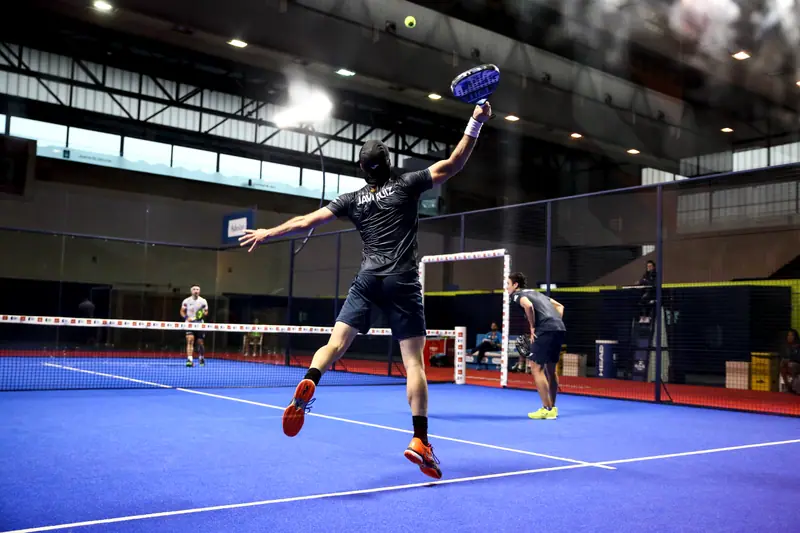
Think of a tennis court shrunk to about a third of the size, put inside a glass and mesh box, and played almost always as doubles. Each side has two players. The ball must bounce once on the floor on the other side of the net, and after that it can rebound off the walls and still be in play. That single rule is what makes padel feel different: rallies last longer, mistakes get a second chance and a weaker player can still stay in a point by letting the glass do some of the work.
The serve is underarm, hit at or below waist height after a bounce, so nobody wins a game with an ace they practised for ten years. Points are scored 15, 30, 40, game, exactly as in tennis, and a set goes to six games. Most people can rally on their first visit, which is why clubs fill their beginner sessions so quickly.
The court, the racket and the ball
The court and the kit are fixed by the International Padel Federation (FIP). The numbers below come from the FIP Rules of Padel, and they explain a lot about how the game plays. The court is short, so the ball is never far away. The racket is short and solid, so the swing is compact. The ball has less pressure inside it than a tennis ball, so it travels slower and sits up off the glass.
For a fuller walk round the playing area, see the padel court size guide, and for how the bat itself is built, the guide to choosing a padel racket.
| Item | Rule |
|---|---|
| Court | 10 m wide by 20 m long, inside measurements |
| Net height | 0.88 m in the centre, 0.92 m at the ends |
| Back walls | 4 m high: 3 m of glass or wall, then 1 m of mesh |
| Racket length | No more than 45.5 cm, head plus handle |
| Racket thickness | No more than 38 mm |
| Ball diameter | 6.35 to 6.77 cm |
| Ball weight | 56.0 to 59.4 g |
| Players | Doubles, two per side |

How a point is played
The server stands behind their service line, bounces the ball and hits it underarm diagonally into the opposite service box. The receiver lets it bounce, then returns it. From then on either side can volley the ball before it lands, or let it bounce once and then hit it, including after it comes off the back or side glass.
You lose the point if the ball bounces twice on your side, if you hit it into the net, or if your shot hits the walls or fence on the other side before it bounces on their floor. You are allowed to hit the ball into your own back glass so it rebounds over the net, which is a recovery shot beginners learn in their first few weeks.
- 1Serve
Underarm, after a bounce, diagonally into the receiver's box.
- 2Return
The receiver must let the serve bounce before hitting it.
- 3Rally
Volley it, or let it bounce once and play it off the glass if needed.
- 4Win the point
Make the ball bounce twice on the other side, or force an error.
Why it has grown so fast in Britain
LTA figures show how quickly padel has spread. In 2019 about 15,000 people played. By the end of 2024 it was 400,000, by the end of 2025 860,000, and in October 2026 the LTA put the number at 1.5 million adults and juniors. The LTA counts anyone who played at least once in the previous 12 months, so this is people who have tried it, not all regulars.
The reasons are practical. A court takes a fraction of the space of a tennis court, so clubs can fit three padel courts where one tennis court stood. Four players share the hire, which brings the cost per head down. And the game is sociable: you can turn up with mixed abilities and still have long rallies. The LTA also says two thirds of padel players play tennis as well.
Padel, paddle tennis and pickleball are different sports
The names get mixed up. Padel, spelt with one d and an e, is the walled doubles game described here, which grew up in Mexico and Spain. Paddle tennis is an American game on a small open court. Pickleball is played on an open court of 6.1 by 13.4 metres with a perforated plastic ball and a no volley zone by the net. If someone in the UK says they are off to play padel, they almost always mean the glass box version.
We explain the differences properly in padel vs pickleball and padel vs tennis.
What you need to start
For your first session you need trainers that grip, comfortable sportswear and water. Most venues hire rackets and sell balls at reception, so you can try it before spending anything. After three or four sessions on a hire racket, most people want their own, mainly because hire rackets are often heavy, old and chipped.
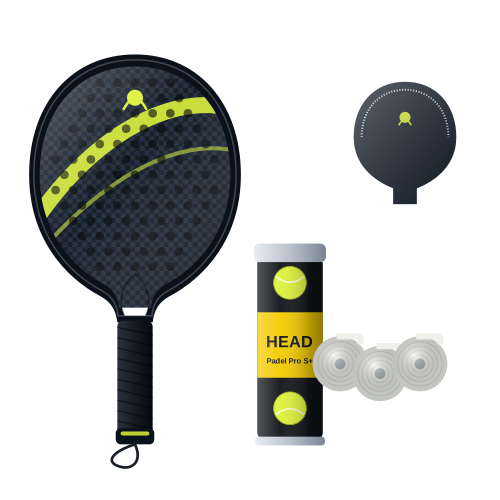
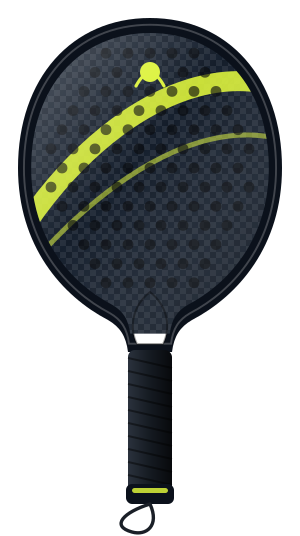
A good first racket is round, has a soft core and weighs about 340 to 365 g. Pair it with a tube of balls and a couple of overgrips and you are set for months. Our padel starter kits put those pieces together, and our UK court finder shows where to play near you.
Lobwell Tor
Round 3K carbon racket for your first year and well beyond it
- Round
- 3K carbon
- 355 to 365 g
What it costs to play
Court hire is charged per court per hour and split four ways. From the published price lists of 79 UK venues we checked on 1 November 2026, the median was £28 an hour off-peak, £40 at peak times and £36 at weekends. That works out at roughly £7 to £10 each for an hour. London and the East of England sit at the top of the range. The full breakdown is in our UK padel court price index.
Balls cost about £4.50 to £5.50 a tube of three, and a tube lasts a few sessions before it goes flat. Add a racket from £59 and you have the whole running cost of the sport.
Questions people ask
Is padel the same as tennis?
No. Padel uses tennis scoring, but the court is smaller and walled, the racket is solid with no strings, the serve is underarm and the ball can be played off the glass.
Can you play padel singles?
Standard courts are built for doubles and almost all padel is played two against two. Some venues have narrower singles courts, but they are rare in the UK.
Is padel hard to learn?
It is one of the easiest racket sports to start. The underarm serve, short court and slower ball mean most beginners can rally within their first hour.
How long is a padel match?
Most club bookings are 60 or 90 minutes. A best of three sets match between evenly matched players often takes 75 to 90 minutes.
Sources
Keep reading
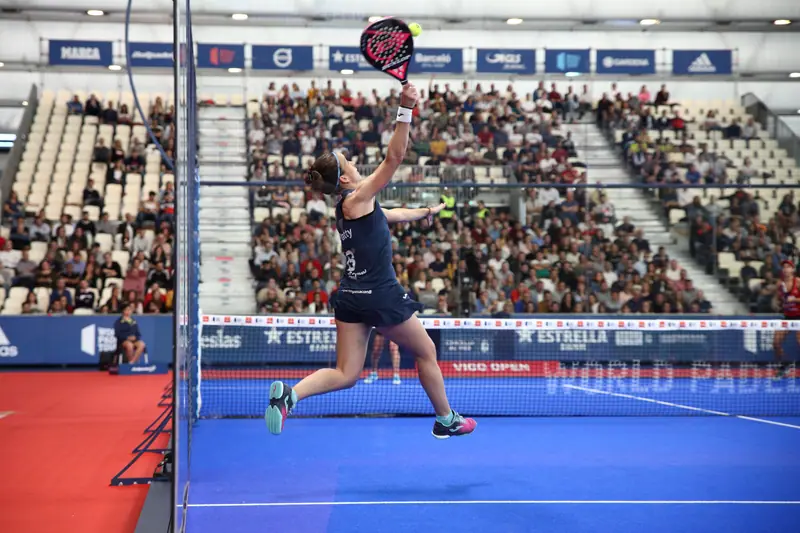 GuideHow to play padel: the serve, the walls and the first ralliesTo play padel, two pairs face each other on a 10 by 20 metre walled court.
 GuidePadel rules: every rule you need for doubles, from the serve to the fencePadel rules come from the International Padel Federation.
 GuidePadel court size: every dimension in metres, from the net to the roofA padel court is 10 metres wide and 20 metres long, measured inside the walls, with a 0.5% tolerance.
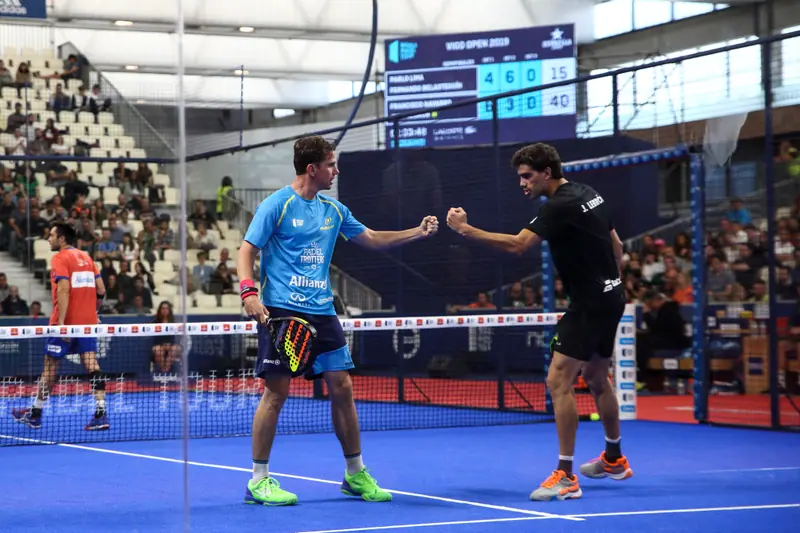 ComparisonPadel vs tennis: the court, racket, ball, rules and cost comparedPadel is played on a walled 20 by 10 metre court, almost always as doubles, with a solid stringless racket, a slightly smaller, lower pressure ball and an underarm serve; the ball can be played off the glass.
 GuideYour first padel session: what to bring, what to expect and 10 tips from the first hourFor your first padel session, bring grippy trainers, sportswear, water and a friend or three: most venues hire rackets for a few pounds and sell balls at reception.