When to replace a padel racket: seven signs it has had its day
By the Lobwell Padel team. Updated 1 November 2026.
Short answer: Replace a padel racket when the frame is cracked through, the face is lifting from the core, or the racket has lost so much liveliness that your lobs land short and it sounds dull. For a player on court once or twice a week, that is commonly after one to two years; a player on court four or more times a week may notice it within a season. Paint chips and scuffs alone are not a reason to replace it.
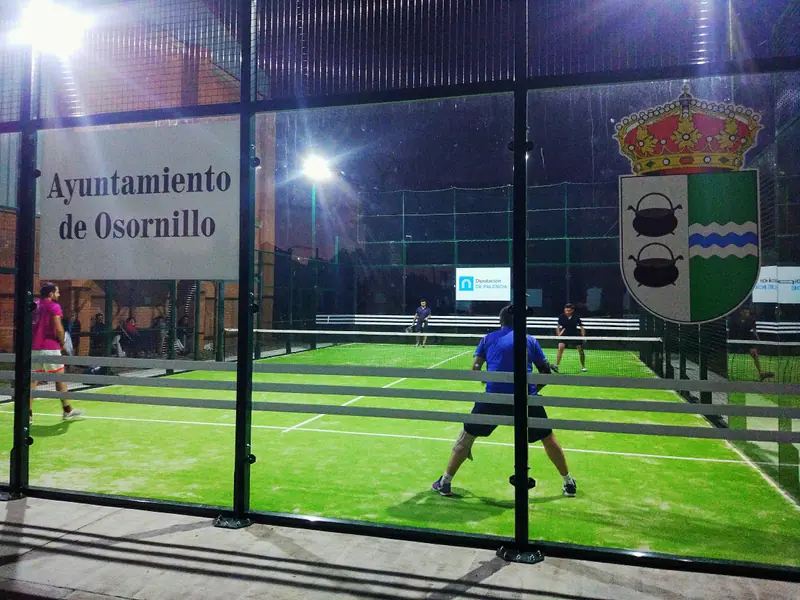
Why padel rackets wear out
A padel racket is a foam core sandwiched between two carbon or glass fibre faces, with no strings to replace. Every hit compresses the core a little. Over hundreds of hours, the foam slowly loses its ability to spring back, so the racket feels flatter and sends the ball less far for the same swing. At the same time, knocks against the glass, the turf and your partner's racket put small stresses into the frame and the bond between face and core.
This is gradual, which is why many players do not notice until they try a new racket and wonder why their lobs suddenly reach the back glass again.
Seven signs it is time
The first three are about performance and you can choose when to act on them. The last four are about safety and structure: a racket with a cracked frame can break suddenly, so stop using it.
- Lobs and deep balls fall short even when you hit them cleanly.
- The racket sounds dull or flat on contact compared with a new one.
- There is a soft or dead spot in one part of the face.
- You can hear or feel a rattle inside the head.
- A crack runs through the frame, not just the paint, often near the throat or the top.
- The face is lifting or bubbling away from the core at the edge.
- The racket flexes or creaks noticeably on smashes.

How long a padel racket lasts
There is no fixed lifespan, because it depends on how often and how hard you play, the core and face materials and how you store the racket. As a broad guide, players tend to notice a drop in liveliness after the number of hours below. Soft cores usually lose liveliness sooner than hard ones, and glass fibre faces soften faster than carbon.
| Play | Hours per year (approx.) | Commonly noticed after |
|---|---|---|
| Occasional, a few times a month | 30 to 50 | Two years or more |
| Weekly | 50 to 80 | One to two years |
| Twice a week | 100 to 150 | About a year |
| Four or more times a week | 200 plus | Within a season |
What is not a reason to replace it
Cosmetic damage is normal. Paint chips along the top of the frame, scuffs on the face and worn graphics do not change how the racket plays. Neither does a tired grip: a new overgrip or base grip makes an old racket feel fresh in the hand. A loose or frayed wrist cord can be replaced on its own. If you are not sure whether a mark is a paint crack or a frame crack, flex the racket gently and listen: a frame crack often clicks or creaks.

Lobwell Frame Protector Tape
Clear tape that saves the frame from wall and floor scrapes
- Lobwell
- 2 colours

Make it last longer
More detail is in our padel racket care guide, and fitting tape is covered in the padel racket protector guide.
- 1Tape the frame
Protector tape over the top edge takes the scrapes. It is the cheapest protection you can buy.
- 2Keep it out of the car
Heat softens EVA and stresses the bond between core and face.
- 3Use a cover
A padded, foil lined cover protects against knocks and temperature swings.
- 4Rotate two rackets
Regular players who alternate two rackets spread the wear.
- 5Avoid racket clashes
Call "mine" or "yours" on balls in the middle.
Replace like for like, or move up?
When a racket wears out, it is a good moment to ask whether it still suits your game. If you started on a round, soft racket and now play twice a week with confident overheads, a teardrop with a medium core may suit you better. If you play less than you used to, or your arm complains, a lighter racket might be the answer.
Our intermediate padel rackets page covers the step up, and the racket finder recommends a racket from a few questions about your game.
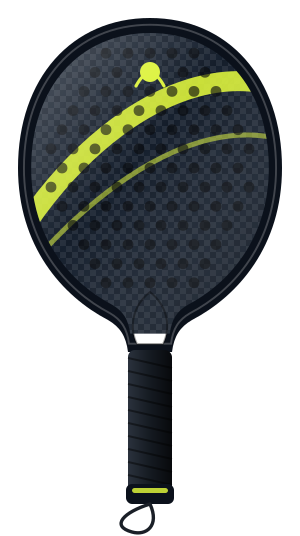
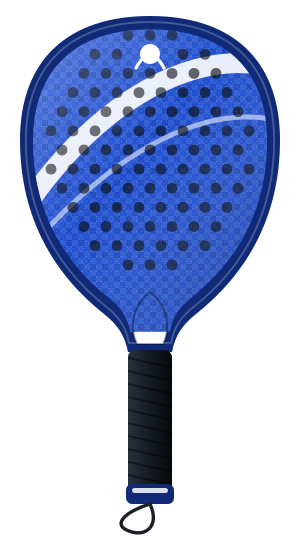
Lobwell Tor
Round 3K carbon racket for your first year and well beyond it
- Round
- 3K carbon
- 355 to 365 g
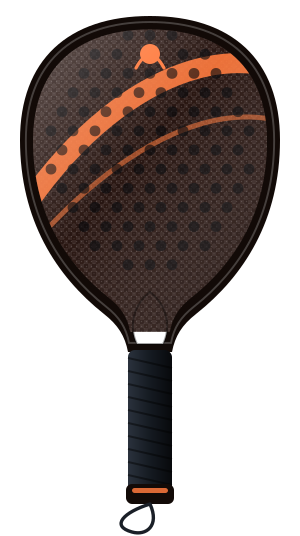
Lobwell Ridge
Teardrop 3K carbon racket for players moving off a round head
- Teardrop
- 3K carbon
- 360 to 370 g
What to do with the old racket
A racket that has lost liveliness but is structurally sound makes a good spare, a loan racket for friends trying padel, or a drill racket. Clubs and junior programmes sometimes welcome donations. A cracked racket should be retired. Most rackets combine carbon or glass fibre, resin and foam, which is hard to recycle through household waste, so check what your local recycling centre accepts. Browse all padel rackets when you are ready for the next one.
Questions people ask
How often should you replace a padel racket?
Twice weekly players commonly replace a racket about once a year; occasional players can go two years or more. Replace it straight away if the frame cracks.
Can a padel racket go dead?
Yes. The foam core gradually loses its rebound, so the racket feels flat and the ball travels less far.
Is it safe to play with a cracked padel racket?
Not if the crack goes through the frame. It can fail suddenly. Paint cracks alone are cosmetic.
Sources
Keep reading
 GuidePadel racket care: how to make a racket last, and what can be repairedMost padel racket damage comes from three things: scraping the top of the frame on the glass or turf, heat from a car boot, and hard knocks between rackets.
 GuidePadel racket cores: what is inside your racket and why it decides the feelThe core is the foam slab inside a padel racket, usually EVA rubber, sitting between the two faces in a racket no thicker than 38 mm.
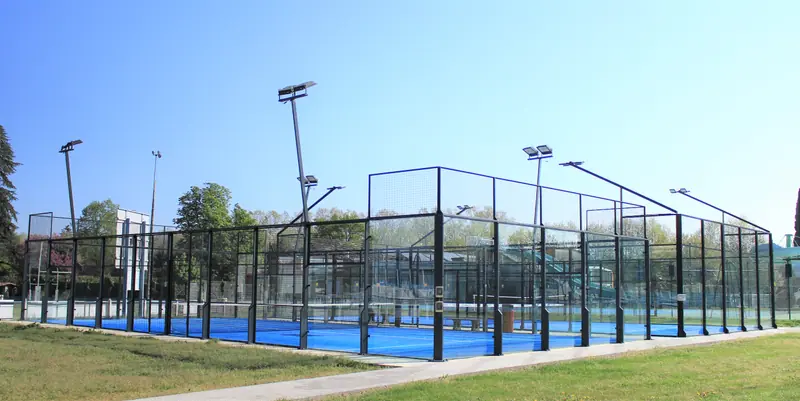 GuidePadel racket protector tape: why it is worth it and how to fit it neatlyA padel racket protector is a strip of tough, clear or coloured film that you stick over the top of the frame, where most damage happens when the racket scrapes the glass or the turf.
Buying guideThe best padel rackets for intermediate players: when to move up and what to move toMost intermediate padel players suit a teardrop racket of 360 to 370 g with a medium EVA core, an even balance and a 3K or 12K carbon face.
 GuideHow to choose a padel racket: shape, weight, core and face in six decisionsChoose a padel racket by your level first, then shape, weight and core.