Padel racket cores: what is inside your racket and why it decides the feel
By the Lobwell Padel team. Updated 1 November 2026.
Short answer: The core is the foam slab inside a padel racket, usually EVA rubber, sitting between the two faces in a racket no thicker than 38 mm. Soft EVA compresses easily and gives a lively, comfortable rebound at club pace; hard EVA feels firm on slow balls but returns more energy on fast swings; medium sits between. Beginners and improvers usually play best with a soft core.

What the core actually does
When the ball hits a padel racket, the face flexes a fraction and the foam behind it compresses, then pushes back. That compress and release is most of what you feel. A core that compresses easily lets the ball sink in and come out with a gentle push, which helps slow shots travel. A core that resists compression feels solid and only gives back energy when the ball arrives fast or you swing fast.
The FIP rulebook caps racket thickness at 38 mm, with a small tolerance, so all brands work within roughly the same slab. What varies is the density of the foam and how it is bonded to the faces and frame.
Soft, medium and hard EVA
The words are not standardised between brands. One brand's medium can be another's soft. Treat the label as a guide and pay more attention to who a racket is aimed at.
| Core | Feel on slow balls | Feel on fast swings | Comfort | Suits |
|---|---|---|---|---|
| Soft EVA | Lively, easy depth | Can feel less controlled | High | Beginners, improvers, comfort seekers |
| Medium EVA | Balanced | Good bite | Medium | Improvers to intermediates |
| Hard EVA | Firm, needs effort | Powerful and precise | Lower | Advanced, fast swingers |
| Soft foam (non EVA) | Very bouncy | Little control | Highest | Juniors, very occasional players |

Why soft cores suit most club players
Most padel shots are not hit at full speed. Lobs, chiquitas, blocks at the net, gentle balls off the back glass: they are all controlled, mid pace strokes. A soft core helps every one of them, because it adds a little depth without you swinging harder. That means fewer short lobs that get smashed back at you, which is the most common way beginners lose points.
Soft cores also cushion the impact more, so the racket feels comfortable over a long session. Our Fen, Tor and Lark all use soft EVA for that reason.
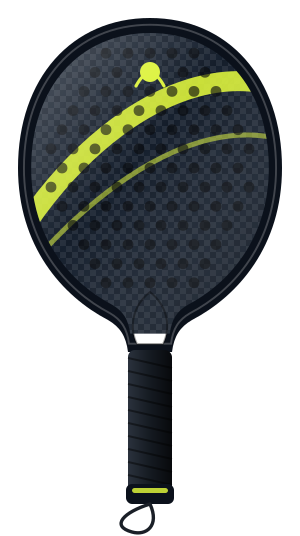
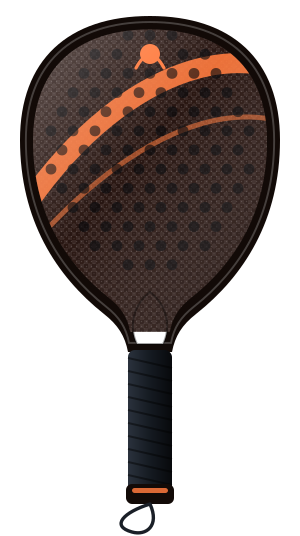
Lobwell Tor
Round 3K carbon racket for your first year and well beyond it
- Round
- 3K carbon
- 355 to 365 g
When a harder core makes sense
As you improve, you start hitting flat smashes and fast attacking volleys. On those shots a soft core can feel mushy: the ball sinks in, and you lose a little precision. A medium core firms that up while keeping some help on slow balls. A hard core goes further: it feels almost dead on a gentle lob, but on a full speed smash it springs back hard and sends the ball where you aimed.
That is why hard cores pair with diamond shapes and high balance in power rackets. If your swing is not consistently fast, a hard core will make you work harder for less. The comparison is laid out in soft vs hard EVA.
| Racket | Core | Shape | Level |
|---|---|---|---|
| Pip Junior | Soft foam | Round | Junior |
| Fen | Soft EVA | Round | Beginner |
| Tor | Soft EVA | Round | Beginner to improver |
| Lark | Soft EVA | Round | Beginner to improver |
| Ridge | Medium EVA | Teardrop | Improver to intermediate |
| Arc | Medium EVA | Teardrop | Intermediate |
| Crag | Hard EVA | Diamond | Advanced |

Temperature and the UK season
EVA reacts to temperature. In cold conditions it stiffens, so the same racket feels harder and the ball travels less. On a frosty outdoor court in January, a medium core can play like a hard one. In heat it softens, which is why leaving a racket in a car boot on a summer afternoon is a bad idea: it can change the feel and stress the bond between core and faces.
For players who mix outdoor winter games with indoor courts, a soft or medium core is the more forgiving choice. A thermal racket cover helps keep the racket nearer room temperature between car and court.
How cores age
Foam does not last forever. With hundreds of hours of impacts, EVA slowly loses some of its rebound. Most club players notice it as a racket that feels a bit flatter, with lobs dropping shorter than they used to. Soft cores tend to show it sooner than hard ones because they compress more on every hit. Our guide on when to replace a padel racket lists the signs.
- Lobs that once reached the back glass now land in the service box.
- A dull, flat sound on contact compared with a new racket.
- A soft spot or rattle in one area of the face.
- Visible separation where the face meets the frame.
Choosing your core
If you are in your first year, play once or twice a week, or care about comfort, choose soft EVA. If you play several times a week, hit through the ball and want more bite, try medium. Save hard EVA for when your smash is a real weapon. Not sure where you sit? The racket finder asks about your game and recommends a core with the racket, and the wider picture is in padel racket materials.
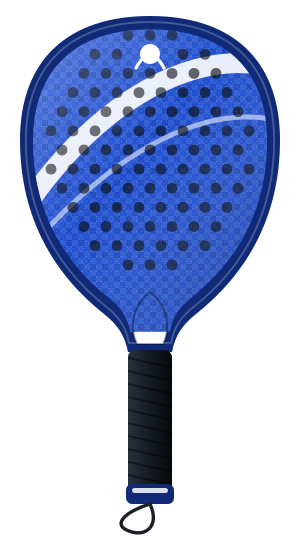
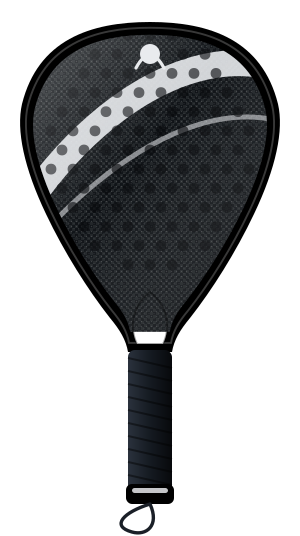
Lobwell Ridge
Teardrop 3K carbon racket for players moving off a round head
- Teardrop
- 3K carbon
- 360 to 370 g
Questions people ask
Is a soft or hard core better on a padel racket?
Soft is better for most club players because it helps slow and mid pace shots. Hard suits advanced players who swing fast and want precision on smashes.
What is EVA in a padel racket?
EVA (ethylene vinyl acetate) is a rubber foam used as the core of most padel rackets. Its density decides how soft or firm the racket feels.
Does cold weather affect a padel racket?
Yes. EVA stiffens in the cold, so rackets feel harder and the ball travels less on winter outdoor courts.
How long does a padel racket core last?
It depends on how often and how hard you play. Regular players often notice a core feeling flatter after a year or two of weekly games.
Sources
Keep reading
 ComparisonSoft vs hard EVA: how the core changes a padel racket, and which one you should playSoft EVA cores compress easily and give the ball a lively push on slow and medium shots, which helps lobs, blocks and defence and feels comfortable.
 GuideWhat are padel rackets made of? Faces, frames, cores and finishesA padel racket is a solid sandwich: two faces of glass fibre or carbon fibre over a foam core, usually EVA rubber, held in a tubular frame of carbon or glass fibre.
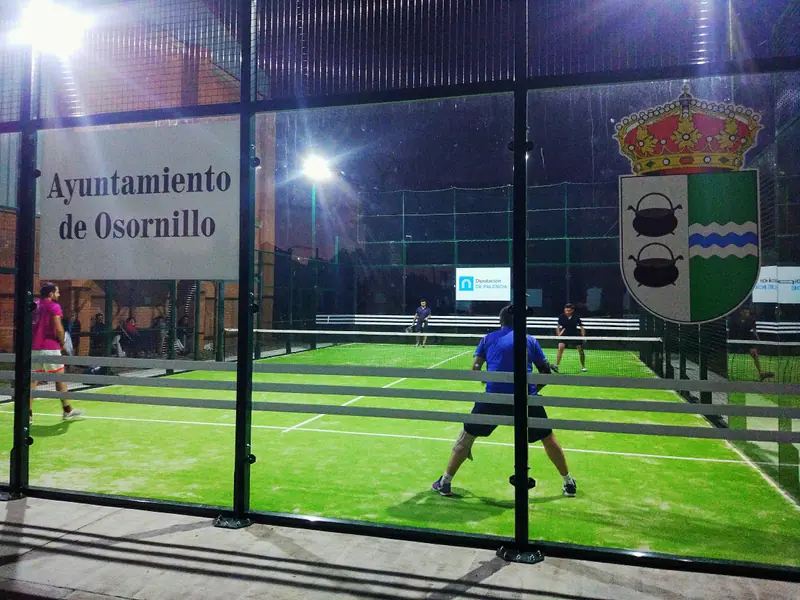 GuideWhen to replace a padel racket: seven signs it has had its dayReplace a padel racket when the frame is cracked through, the face is lifting from the core, or the racket has lost so much liveliness that your lobs land short and it sounds dull.
 GuideHow to choose a padel racket: shape, weight, core and face in six decisionsChoose a padel racket by your level first, then shape, weight and core.
 GuidePadel racket care: how to make a racket last, and what can be repairedMost padel racket damage comes from three things: scraping the top of the frame on the glass or turf, heat from a car boot, and hard knocks between rackets.