Padel glossary: 50 terms, from americano to vibora, with the Spanish shot names
By the Lobwell Padel team. Updated 1 November 2026.
Short answer: Most padel terms are Spanish: globo is a lob, remate a smash, bandeja a sliced overhead, vibora a faster side spun one, chiquita a soft ball to the feet, and salida de pared a shot played after the ball comes off the wall. The court is called la pista, the glass el cristal and the mesh la reja. The racket is officially a racket, though many players call it a pala, or a bat.
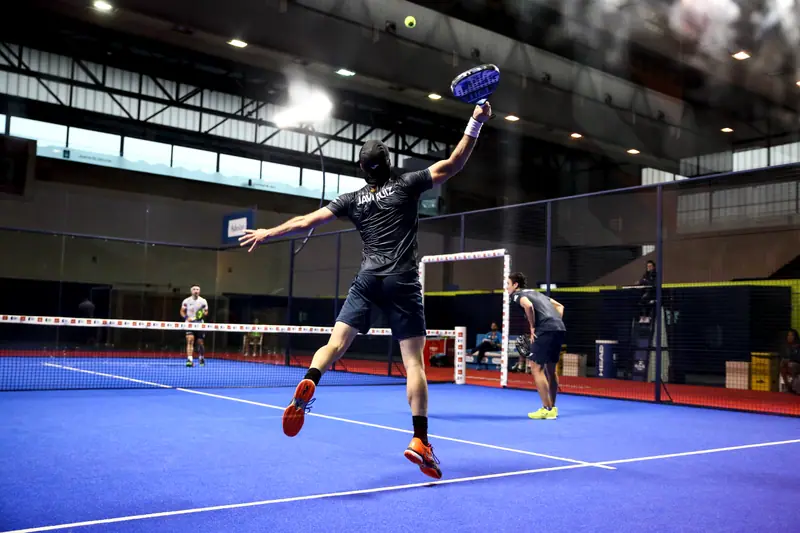
Racket or bat?
Both, depending on who you ask. The FIP rules use the word racket throughout, and so do UK retailers and the LTA. In Spanish it is la pala, which means paddle or shovel, and many British players call it a bat, which describes it fairly well: it is solid, stringless and no longer than 45.5 cm. On this site we say racket, to match the official rules.
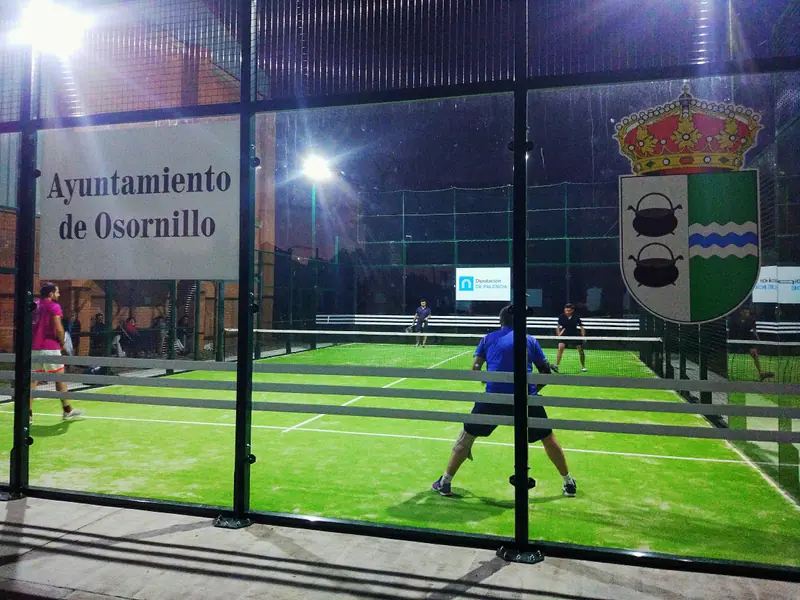
The court
The word padel itself comes from the Spanish pádel. In English it is spelt with one d and an e, which separates it from paddle tennis, a different American sport.
| Term | Spanish | Meaning |
|---|---|---|
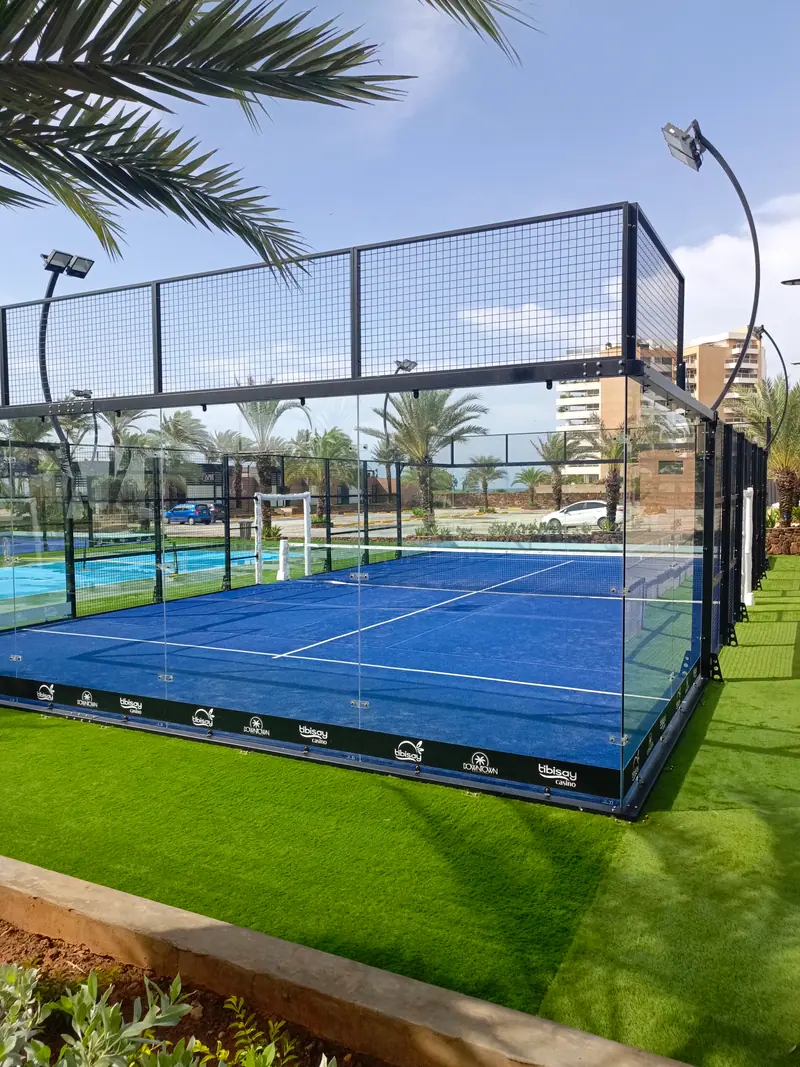
| Court | La pista | The 10 by 20 metre playing area and its walls |
| Glass | El cristal | The glass walls, 3 m high at the back |
| Mesh or fence | La reja, la malla | The metal mesh; gives an unpredictable bounce |
| Back wall | Pared de fondo | The end wall behind each pair |
| Side wall | Pared lateral | The walls along each side |
| Service line | Línea de saque | 6.95 m from the net |
| Service box | Cuadro de saque | Where the serve must land |
| Right side | Drive | The deuce side; the drive player is the right side player |
| Left side | Revés | The advantage side; often the stronger smasher |

Shots from the back
- Globo: the lob. A high, deep ball over the net players.
- Salida de pared: a return played after the ball comes off the back or side wall.
- Doble pared: a ball that has hit two walls before you play it.
- Contra pared: you hit the ball into your own wall so it rebounds over the net.
- Chiquita: a soft, low ball that dips at the net players' feet.
- Bote: the bounce. A segundo bote is a second bounce, which ends the point.
- Pasada: a passing shot down the side.
- Drive and revés: forehand and backhand groundstrokes.
Shots at the net and overheads
- Volea: volley.
- Dejada: drop shot or drop volley that dies just over the net.
- Bandeja: a controlled, sliced overhead at head height. The name means tray.
- Vibora: a faster overhead with side spin. The name means viper.
- Remate: smash.
- Por tres: a smash that bounces high out of the court over the side wall (the 3 m wall).
- Por cuatro: a smash that goes out over the back fence (the 4 m wall).
- Rulo: a topspin smash that kicks up off the glass.
- Gancho: a hooked overhead hit near the net.
- Bajada: an attacking overhead hit after the ball rebounds high off your own back wall.
- Bloqueo: a block volley against a hard hit ball.
Scoring and formats
Our padel scoring guide explains golden point and Star Point in more detail.
| Term | Meaning |
|---|---|
| Golden point (punto de oro) | At 40-40, one deciding point; the receivers choose who receives |
| Star Point | FIP 2026 option: advantage is played until the third deuce, then one deciding point |
| Advantage | Tennis style: win two points in a row from deuce |
| Tie-break | At 6-6, first to 7 points with a two point lead |
| Super tie-break | Replaces a third set; first to 10 with a two point lead |
| Americano | Social format where partners rotate and individual points are totalled |
| Mexicano | Like an americano, but pairings for each round depend on the scores so far |
| Let | A serve that clips the net and lands in the box; replayed |
Kit terms
How these materials change the feel of a racket is explained in the padel racket core guide.
- EVA: ethylene vinyl acetate, the foam core inside most rackets.
- 3K, 12K, 18K: carbon weaves with 3,000, 12,000 or 18,000 filaments per strand.
- Balance: where the weight sits. Low means head light, high means head heavy.
- Overgrip: the thin wrap on top of the handle you change every few weeks.
- Cordón: the wrist cord, compulsory under FIP rules, up to 35 cm long.
- Protector: clear or coloured tape along the top of the frame against scrapes.
- Herringbone: the zig zag sole pattern on padel shoes.
Lobwell Frame Protector Tape
Clear tape that saves the frame from wall and floor scrapes
- Lobwell
- 2 colours
Positions and tactics words
For how these fit together in a real game, read padel doubles tactics and padel shots explained.
- La red: the net. Going to the net is the main goal in padel.
- Fondo: the back of the court.
- Tierra de nadie: no man's land, the area around the service line where you should not stand.
- Paralelo: a shot straight down the side.
- Cruzado: a cross court shot.
- Al centro: down the middle, between the two opponents.
- Cambio: the call to switch sides with your partner when a lob goes over one of you.
Questions people ask
What does por tres mean in padel?
A smash that bounces high and flies out of the court over the 3 metre side wall. Por cuatro means it went out over the 4 metre back fence.
What is a pala in padel?
Pala is the Spanish word for the padel racket. English rules and shops call it a racket; some players call it a bat.
What is the reja?
The metal mesh fencing around the court. Balls off the mesh bounce unpredictably, unlike balls off the glass.
What does drive side mean?
The right hand side of the court for a pair, usually played by the player with the steadier forehand. The left side is called revés.
Sources
Keep reading
 GuidePadel shots explained: the 16 strokes you will hear about, and when to play eachThe core padel shots are the groundstroke, the volley, the lob, the bandeja (a controlled sliced overhead), the vibora (a faster, more side spun overhead), the smash, the chiquita (a soft, low ball to the feet of net players) and the back glass return.
 GuidePadel scoring: points, golden point, Star Point, tie-breaks and setsPadel is scored like tennis: 15, 30, 40, then game, with sets won at six games by a two game margin and a tie-break at 6-6 (first to 7 points, two clear).
 GuidePadel doubles tactics: positioning, the net, the lob and the middleThe core padel tactic is simple: the pair at the net usually wins the point, so get both players to the net together and use lobs to push opponents back when they hold it.
 GuideWhat is padel? A plain guide to the sport filling up UK courtsPadel is a doubles racket sport played on an enclosed court 10 metres wide and 20 metres long, with glass walls you can play the ball off.
 GuidePadel racket cores: what is inside your racket and why it decides the feelThe core is the foam slab inside a padel racket, usually EVA rubber, sitting between the two faces in a racket no thicker than 38 mm.