Junior padel rackets: what size and weight a child needs, and when to move up
By the Lobwell Padel team. Updated 1 November 2026.
Short answer: Most children aged about 7 to 12 play best with a junior padel racket of around 280 to 300 g, with a round head, a soft core and a slightly shorter handle. Adult rackets weigh 340 to 375 g, which makes children push the ball with their shoulder instead of swinging. As a guide, move up to a light adult racket of about 340 g at around 1.50 m tall or 12 years old.
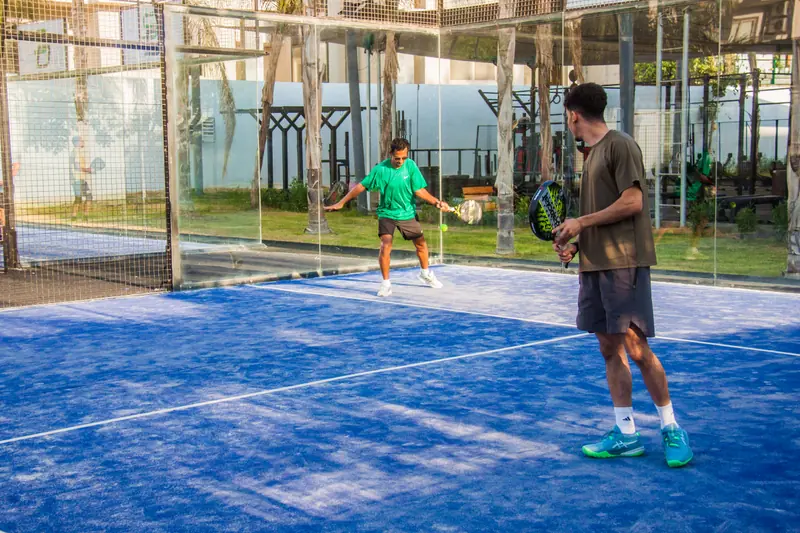
Why a junior racket matters
An adult padel racket is heavy for its size: solid, with a foam core, and usually 340 to 375 g. Give that to an eight year old and they will hold it halfway up the handle, push the ball from the shoulder and get tired in ten minutes. A junior racket takes 50 to 80 g off, and a little length off the handle, so a child can hold it properly and learn a real swing.
Learning with the right weight also means learning the right technique. Habits formed by muscling a heavy racket, like a stiff wrist and a pushing action, are hard to undo later.
Sizes and weights by age
| Age (approx.) | Height (approx.) | Racket weight | Notes |
|---|---|---|---|
| Under 7 | Under 1.20 m | Lightest junior or mini racket | Foam ball sessions are common at this age |
| 7 to 10 | 1.20 to 1.40 m | 280 to 300 g junior | Round head, soft core |
| 10 to 12 | 1.40 to 1.50 m | 280 to 300 g junior, or light adult if strong | Watch for the racket feeling too light |
| 12 plus | Over 1.50 m | Light adult, about 335 to 345 g | Then a standard adult racket as they grow |

What to look for
- Weight around 280 to 300 g for most children of 7 to 12.
- Round head for the biggest, most central sweet spot.
- Soft core, so slow swings still send the ball over the net.
- A slightly shorter, thinner handle that fits a small hand.
- Glass fibre faces for a forgiving, flexible feel.
- A wrist cord, as on every padel racket, worn every time.
Our junior racket
The Lobwell Pip Junior is a scaled down racket for children of about 7 to 12. It weighs around 280 to 300 g, has a round glass fibre face over a soft foam core, a 36 mm profile instead of the adult 38 mm, and a slightly shorter handle. It is built for learning a proper swing, not for power. At £39 it is priced for children who will outgrow it. See junior padel rackets.
Lobwell Pip Junior
Lighter, shorter racket for juniors aged about 7 to 12
- Round
- Glass fibre
- 280 to 300 g
When to move up
Move up when your child looks comfortable and quick with their junior racket, starts to hit through the ball confidently and is around 1.50 m tall or 12 years old. A light adult racket of about 340 g, such as Lark, is a gentle step: it has the same soft core and round shape, with more mass behind the ball.
Signs they are ready: the junior racket gets pushed around by hard balls from adults, they hold it right at the end of the handle and still have room, or they ask why their shots do not go as far as everyone else's. Signs they are not: they tire in the second half of a session or their volleys are late.
- 1Under about 1.50 m
Stay with a junior racket such as Pip.
- 2Around 1.50 m or 12 years old
Try a light adult racket of about 340 g such as Lark.
- 3Strong teenager playing weekly
A standard adult round racket of 350 to 365 g such as Tor.
Family padel
Padel is one of the few racket sports where a parent and child can rally properly from the first session, thanks to the slower ball, the underarm serve and the walls. A family of four fills a court, so the per head cost of a booking is low; the UK median is £28 per court per hour off-peak in our court price index.
Our Family Kit has two adult Tor rackets, two Pip junior rackets and two tubes of balls for £209. See the padel starter kits.

Helping a child enjoy the first sessions
Keep early sessions short and active. Thirty to forty five minutes of rallying, a few serves and a mini game is plenty for most children under ten. Stand closer to the net than you would with adults so the ball reaches them at a comfortable height, and feed gently rather than hitting to win. Let them play off the back glass early, because it is the part of padel that feels like a game rather than a lesson.
Make sure the wrist cord is on every time, and that the racket is light enough that they hold it at the end of the handle. If they choke up halfway, the racket is too heavy. Grippy trainers matter as much for children as adults on a sandy court.
Junior padel in the UK
Many venues now run junior coaching, holiday camps and family sessions, often using lower compression balls for younger children. The LTA's figure of 1.5 million people playing padel in Britain includes juniors. Ask at your local club, or find one through our padel court finder. For more on the basics, share how to play padel with your young player.
Questions people ask
What size padel racket for a 10 year old?
Most 10 year olds suit a junior racket of about 280 to 300 g with a round head. Move up when they reach about 1.50 m or 12 years old.
Can kids use adult padel rackets?
Strong teenagers can, but most children under 12 find adult rackets too heavy and end up pushing the ball instead of swinging.
What age can children start padel?
Many clubs run sessions from around 5 or 6 with mini rackets and softer balls. Junior rackets suit most children from about 7.
Is a lightweight adult racket good for juniors?
For older juniors moving up, yes. A light adult racket of about 340 g is a good bridge between a junior and a standard racket.
Sources
Keep reading
 Buying guideThe best lightweight padel rackets: who should go light, and how light is too lightA lightweight padel racket weighs roughly 335 to 350 g, against the usual 355 to 375 g, and is best for lighter players, older juniors, players returning to sport and anyone who tires late in a session.
 GuidePadel racket weight: how heavy should your racket be?Most adult padel rackets weigh between 340 and 375 g; the FIP rules set no weight limit.
 Buying guidePadel gifts: useful ideas for every budget, for him, for her and for juniorsThe best padel gifts are things players use up or replace often: overgrips (£5.99 for three), tubes of balls (£4.49 to £5.49), a ball pressuriser (£14.99), a thermal racket cover (£12.99) or a bag (£29 to £69).
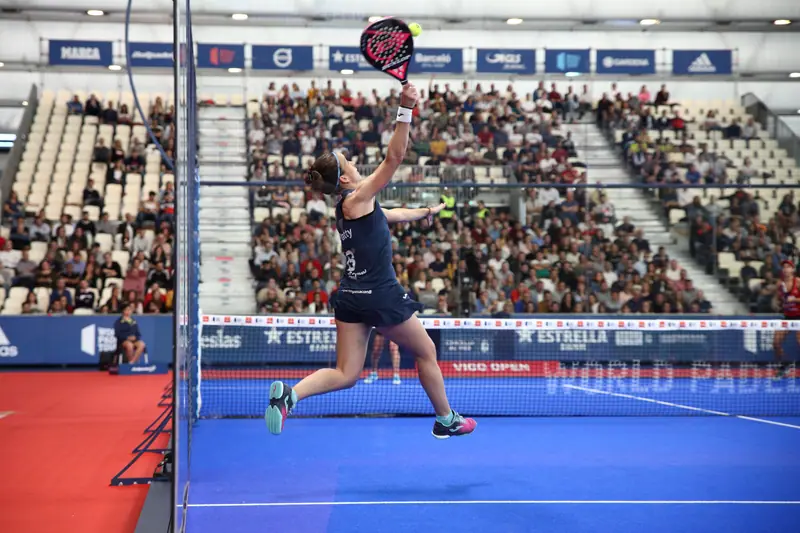 GuideHow to play padel: the serve, the walls and the first ralliesTo play padel, two pairs face each other on a 10 by 20 metre walled court.
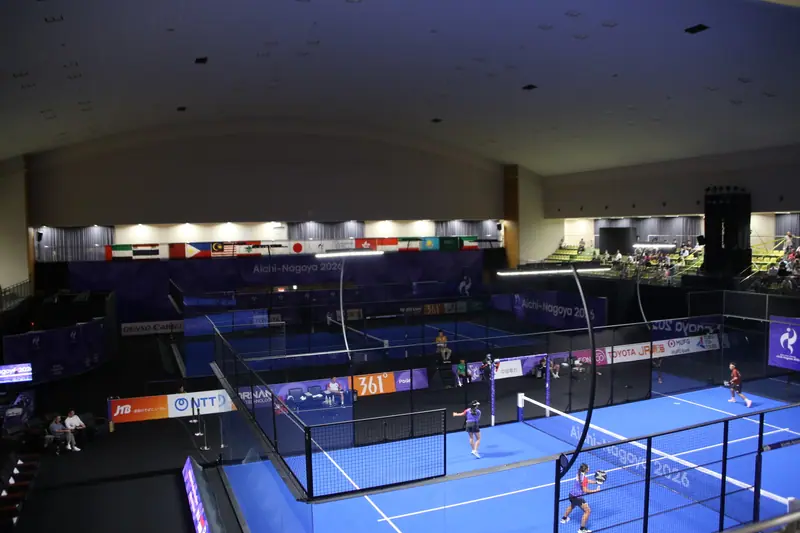 Buying guideThe best padel starter kits: one player, two players, a family or an upgradeA good padel starter kit contains a round, soft cored racket of about 340 to 365 g, at least one tube of pressurised balls and a few overgrips; a thermal cover is a useful extra.