What shoes for padel? Herringbone soles, grip on sand and what to avoid
By the Lobwell Padel team. Updated 1 November 2026.
Short answer: Wear court shoes with a herringbone or herringbone and omni mixed sole for padel, because most UK courts are sand filled artificial grass and that zig zag pattern grips the sand when you stop and change direction. Flat soled trainers are fine for a first session, but running shoes slide on sand and give little side support. A good padel shoe also has a reinforced toe and a stable, low heel.
Why padel needs the right sole
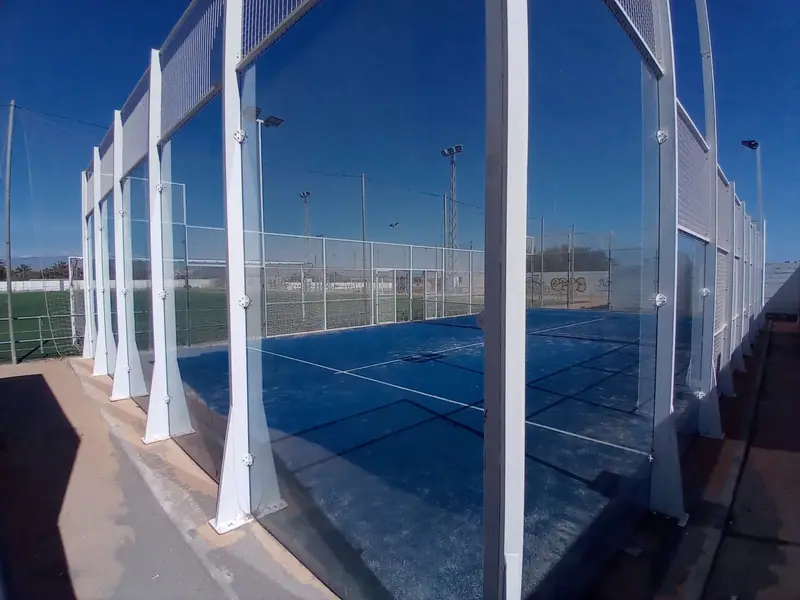
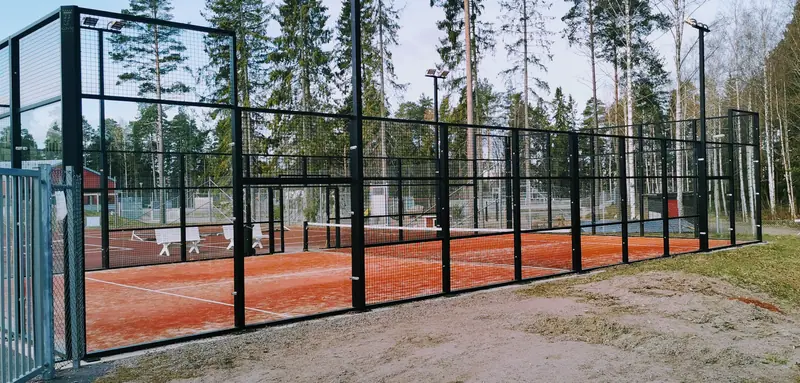
A padel court surface is artificial grass with a layer of silica sand brushed into it. The sand makes the turf playable, but it also acts like ball bearings under a smooth sole. Padel movement is all short sprints, sudden stops, lunges and sideways shuffles, so a shoe that slides even a little costs you a step on every ball. The court is 10 by 20 metres, so you are never running far, but you are changing direction constantly.
That is why sole pattern matters more for padel than cushioning or brand.
Sole types compared
| Sole | Grip on sand turf | Notes |
|---|---|---|
| Herringbone (zig zag) | Good | Grooves bite into the sand. The standard padel and clay sole. |
| Omni or pimpled | Good on sandy turf | Small rubber studs; made for artificial grass. |
| Mixed herringbone and omni | Good | Herringbone at the forefoot, studs at the edges. |
| Flat hard court tennis sole | Fair | Fine for beginners, slips on worn courts. |
| Running shoe | Poor | Soft, rounded, made for straight lines. Slides and rolls. |
Do you need padel shoes as a beginner?
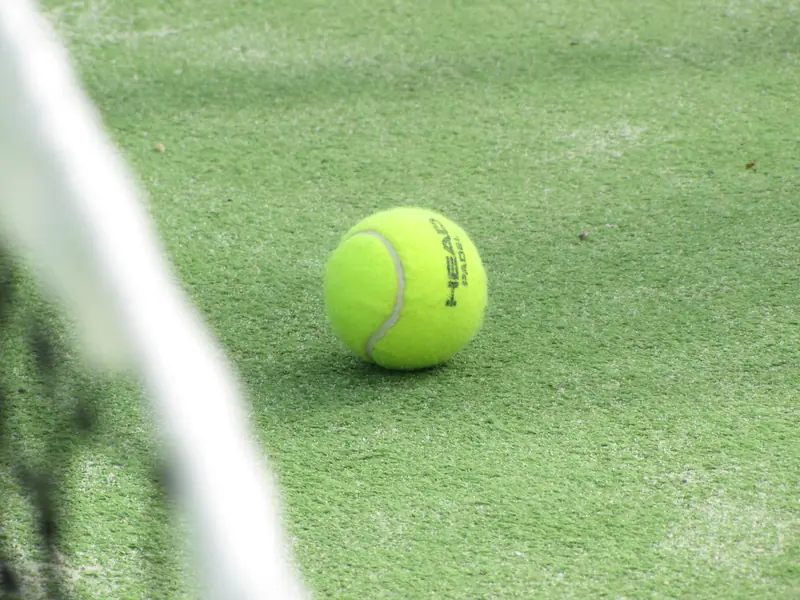
For your first two or three sessions, a pair of flat soled trainers or tennis shoes is fine. Just avoid running shoes and anything with a thick, soft heel. Once you are playing weekly, a proper court shoe is the second purchase most players make after a racket. The difference shows up on the first lob you chase back to the glass: you stop where you want to stop.
If you play on hard indoor surfaces at some venues, a mixed sole is a sensible compromise. Our guide to your first padel session covers the rest of what to bring.
What else to look for
- Reinforced toe: you drag the back foot on low volleys and lunges, which wears out mesh fast.
- Lateral support: a firm side wall stops your foot rolling over the edge of the sole on sideways moves.
- Low, stable heel: a moderate drop, around 8 mm on our Grip shoe, keeps you close to the ground.
- Breathable upper: indoor courts get warm, outdoor courts get wet. Mesh with an overlay copes with both.
- Durable outsole: sand is abrasive, so a thin sole wears through quickly.
How padel movement loads your feet
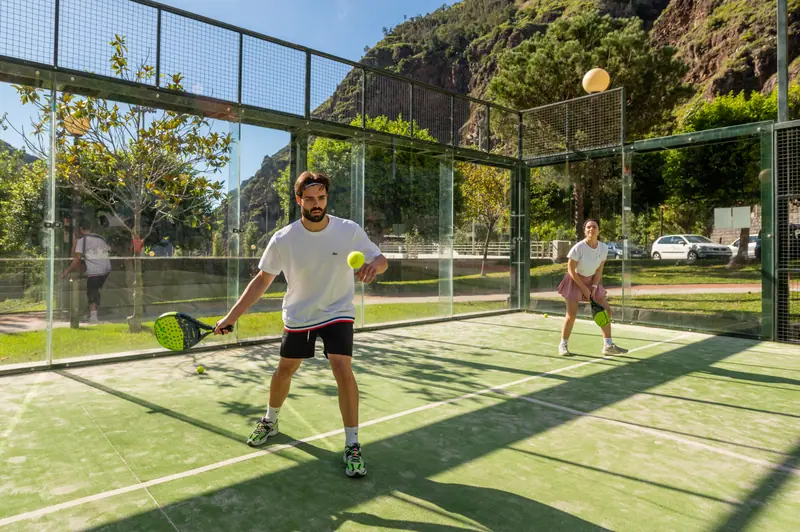
Watch a rally from the side and you will see almost no long running. Instead there is a split step as the opponent hits, two or three quick shuffles, a lunge to a low ball and a push back to the ready position. At the net there are sudden forward steps to cut off a volley and fast backward crossovers when a lob goes over your head. Every one of those moves puts load through the forefoot and the outside edge of the shoe.
That is why padel shoes put most of their grip pattern under the ball of the foot and wrap a firmer edge around the sides. A running shoe does the opposite: it cushions the heel strike of a forward stride and leaves the sides soft. On a sandy court it feels unstable the first time you change direction quickly.
Fit and sizing
Padel shoes should fit snugly at the heel and midfoot with about a thumb's width of space in front of your longest toe. Too loose and your foot slides inside the shoe on stops; too tight and your toes jam on lunges. Try shoes on with the socks you play in. Cushioned court socks fill the shoe slightly differently from thin trainers socks.
Our Grip shoe comes in UK sizes 4 to 12, standard width and true to size.
Lobwell Grip Padel Shoe
Herringbone sole court shoe for sand filled artificial grass
- Lobwell
- 2 colours
Looking after them
Knock the sand out after each session and let them dry at room temperature, not on a radiator, which can weaken the glue. Keep a pair just for padel so the sole stays clean and grippy. When the herringbone pattern wears smooth under the ball of the foot, grip drops off quickly and it is time for a new pair. A bag with a separate shoe pocket, like our Daypack, keeps sandy shoes away from everything else: see the padel bags range.

Lobwell Daypack Padel Backpack
Backpack with a racket sleeve and a separate shoe pocket
- Lobwell
- 2 colours
Shoes and the rest of your kit
Shoes are only one part of being ready for court. See what to wear for padel for clothing, and the padel shoes range for sizes in stock. If you also play on clay or hard tennis courts, a herringbone sole works well on clay and acceptably on hard courts, though it wears faster on concrete.
Questions people ask
Can I wear running shoes for padel?
It is not a good idea. Running shoes are built for straight lines, have soft, rounded soles and slide on the sand of a padel court.
Are tennis shoes OK for padel?
Clay court tennis shoes with a herringbone sole work well. Hard court tennis shoes are fine for beginners but grip less on sandy turf.
What sole is best for padel?
Herringbone, or a mix of herringbone and omni studs, for sand filled artificial grass, the surface on most UK courts.
How long do padel shoes last?
It depends on how often you play. When the tread under the ball of your foot wears smooth, grip falls away and it is time to replace them.
Do I need different shoes for indoor padel?
Most indoor UK courts are also sand filled artificial grass, so the same herringbone or omni sole works indoors and out.
Sources
Keep reading
 GuideWhat to wear for padel: outfits for indoor courts, cold outdoor courts and club nightsWear breathable sportswear you can lunge and reach in: a technical t-shirt or polo, shorts, a skort or leggings, cushioned sports socks and court shoes with a herringbone sole.
 GuideYour first padel session: what to bring, what to expect and 10 tips from the first hourFor your first padel session, bring grippy trainers, sportswear, water and a friend or three: most venues hire rackets for a few pounds and sell balls at reception.
 GuidePadel court size: every dimension in metres, from the net to the roofA padel court is 10 metres wide and 20 metres long, measured inside the walls, with a 0.5% tolerance.
 Buying guidePadel gifts: useful ideas for every budget, for him, for her and for juniorsThe best padel gifts are things players use up or replace often: overgrips (£5.99 for three), tubes of balls (£4.49 to £5.49), a ball pressuriser (£14.99), a thermal racket cover (£12.99) or a bag (£29 to £69).
 GuideA padel warm up you will actually do: 10 minutes off court, 10 minutes on itA good padel warm up takes about 20 minutes: around 10 minutes of light movement off court (jogging, side shuffles, lunges, arm circles and trunk rotations), then 10 minutes on court building from mini rallies at the net to volleys, lobs and overheads.